Diabetic retinopathy is the leading cause of vision loss in working-age adults. Our board-certified retina specialists at RVSU diagnose and treat all stages of the disease, from early monitoring to complex vitreoretinal surgery. All four of our physicians trained at the number one eye hospital in the country.
with diabetes has some degree of retinopathy
vision loss is preventable with timely treatment

Early stage. Blood vessels weaken and leak. No symptoms at first. Yearly eye exams catch this before it gets worse.

Advanced stage. New fragile vessels grow, bleed easily, and can pull the retina loose. See a retina specialist right away.

Fluid builds in the macula, blurring the vision you use for reading, driving, and recognizing faces. Most common cause of vision loss.

Long-term diabetes, poor blood sugar, high blood pressure, high cholesterol, or kidney disease all speed up eye damage.
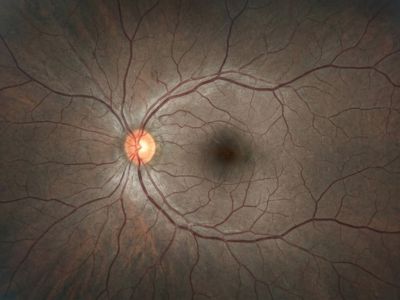
Tiny swellings called microaneurysms appear in retinal blood vessels. There are no symptoms. Annual monitoring is the standard of care.
More blood vessels become blocked and fluid may begin to collect. Mild blurring can occur. More frequent follow-up exams are needed.
A large number of blood vessels are blocked. The retina signals the body to grow new vessels. Most people progress to PDR within a year without treatment.
Abnormal vessels grow on the retina and into the vitreous gel. They bleed easily and can cause retinal detachment. This stage requires urgent treatment.
Diabetic retinopathy often has no symptoms until it reaches an advanced stage. Contact our office right away if you notice any of the following.
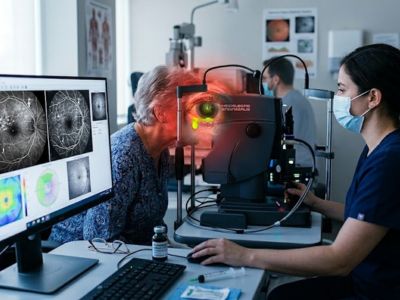
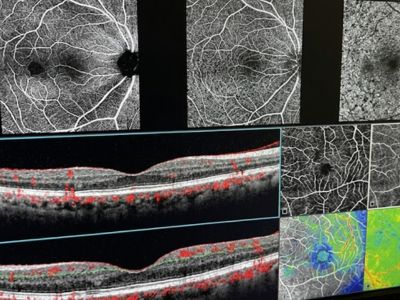
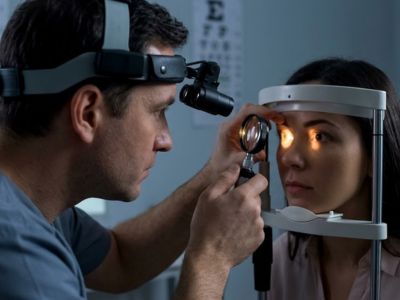
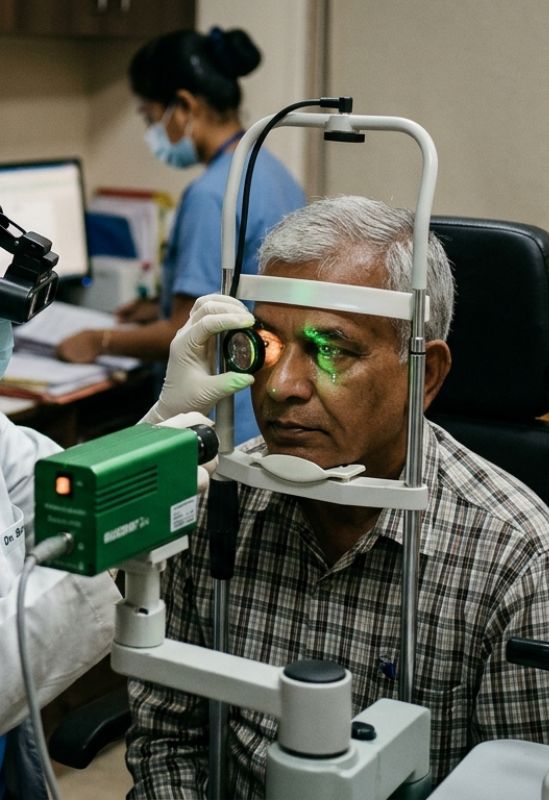
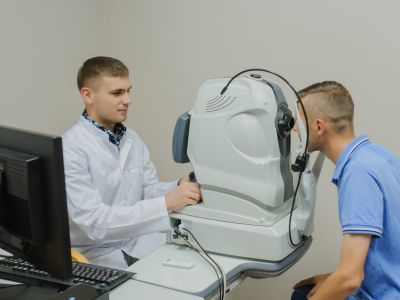
At every visit, our specialists perform a thorough dilated eye exam. We use the most advanced imaging available to identify the exact stage of your condition and create a treatment plan that fits your needs.
Anti-VEGF medications are injected into the eye to stop abnormal blood vessel growth and reduce leakage. This is the first-line treatment for diabetic macular edema and proliferative diabetic retinopathy. We use Eylea, Lucentis and Avastin. Injections typically start monthly and are spaced out as your condition improves.
For advanced cases where bleeding has entered the vitreous or the retina has detached, surgery is needed. Our surgeons perform vitrectomy to clear blood from the eye, release traction on the retina, and repair detachments. RVSU performs over 100 retina surgeries per month.
Don’t compromise your vision. Schedule an appointment at our Provo office and experience the RVSU difference.
See all of our convenient locations across Utah.