Retinal Tear Treatment in Utah

A retinal tear is a serious condition that happens when the thin tissue at the back of your eye rips. This often occurs when the gel inside the eye pulls away from the retina. If a tear is not treated, fluid can leak behind it and cause a retinal detachment. Our board-certified retina specialists at RVSU use advanced imaging to find tears and treat them quickly. All four of our physicians trained at the top eye hospital in the country to provide the best care for your sight.

Over 98% Success Rate

in sealing tears with laser treatment

100+ Retinal Surgeries

performed every month by our expert team

Same-day Appointments

available for urgent flashes and floaters

What is a Retinal Tear?

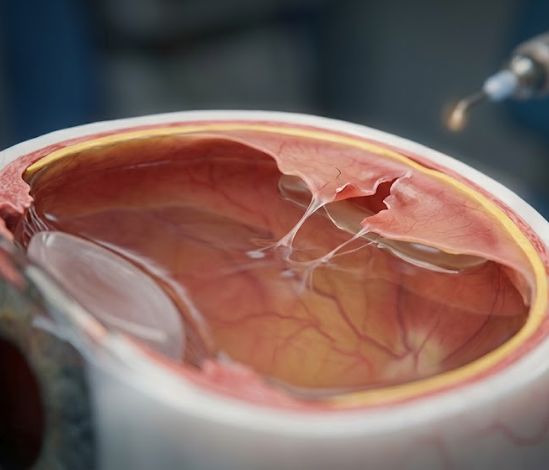
As the gel inside the eye changes with age, it can pull on the retina. If it pulls too hard, it creates a small rip or tear. This often happens without any pain, so you must know the warning signs.

  • Retinal Tears: These are small rips that allow fluid to seep under the retina. This can lift the retina away from its support tissue.
  • Posterior Vitreous Detachment (PVD): This is the most common cause of a tear. As the eye gel shrinks, it can tug on the retina and cause a break.
  • High Risk Factors: Being very nearsighted or having a past eye injury can increase your risk of a tear.
  • The Goal of Care: We use specialized treatments to seal the tear. This prevents it from becoming a full detachment, which is a much more serious problem.

Why Early Detection Matters

01

New Floaters and Flashes

Seeing new specks or lightning flashes is the first sign of a tear. This is the best time for a retina specialist to check your eye.

02

Fluid Leakage

If a tear is left open, fluid starts to collect under the retina. This can lead to a “shadow” or “curtain” appearing in your vision.

03

Retinal Detachment

Without a professional seal, the retina can fully peel away. This requires major surgery and can lead to permanent vision loss.

Symptoms

A retinal tear often has no pain and can be hard to notice at first. Contact our office right away if you notice any of the following.

Notice box: If you see new flashes or floaters, you need a dilated eye exam immediately. This is the only way a retina specialist near me can find a tear before it causes a detachment.

Advanced Diagnostics & Imaging

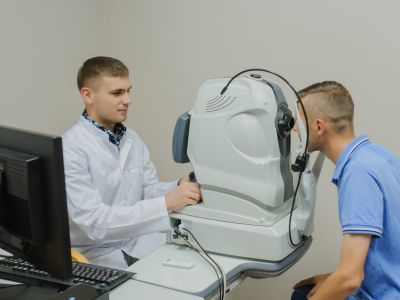
At every visit, our specialists perform a thorough dilated eye exam. We use the most advanced tools to find even the smallest tears in the retina.

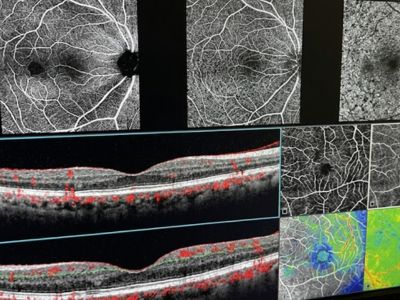
Optical Coherence Tomography
At every visit, our specialists perform a thorough dilated eye exam. We use the most advanced tools to find even the smallest tears in the retina.
OCTA (OCT Angiography)
B-Scan Ultrasound
If there is blood in the eye that blocks the doctor’s view, we use sound waves to look for tears or detachments behind the blockage.
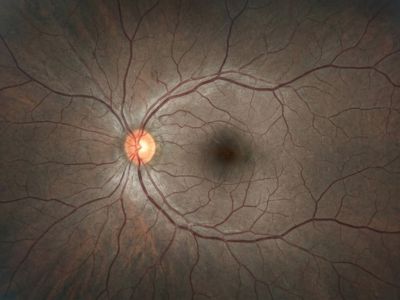
Wide-Field Fundus Photography
We use specialized cameras to take high-resolution photos of the back of your eye. This allows us to track changes in your retinal health over time.
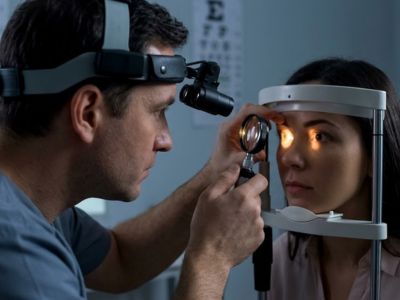
Dilated Fundus Exam
Every appointment includes a clinical exam. Our fellowship-trained physicians personally examine your retina and vitreous to ensure no detail is missed.

Treatments

The right treatment depends on the size and location of the tear. Our specialists will explain your options before any treatment begins.
Cryopexy (Freezing)
Cryopexy (Freezing)
For tears that are hard to reach with a laser, we use a freezing probe on the outside of the eye. This also creates scar tissue to seal the tear shut. This is a very safe and effective way to prevent a detachment.
Laser therapy
Laser Surgery (Photocoagulation)
This is the most common treatment for a tear. We use a precision laser to create tiny scars around the tear. These scars act like “spot welds” to seal the retina back in place. This is done in our office and usually takes less than 15 minutes.
Vitreoretinal surgery
Same-Day Care
At RVSU, we believe in treating tears the same day we find them. This prevents the tear from getting worse while you wait for a second appointment.

Our Specialists

All four of our physicians are board-certified ophthalmologists with fellowship training in vitreoretinal surgery.

Your Eyes Need a Specialist

A dilated eye exam is the best way to catch a retinal tear before it causes lasting damage. We are accepting new patients at all four of our Utah locations. If you are worried about your vision, call us today to see a retina specialist right away.

Find an RVSU Location Near You

See all of our convenient locations across Utah.