
Have you ever noticed how your eyes adjust when you walk into a dark room? At first, everything is black. Then, slowly, the shapes of furniture appear. This helpful ability is called night vision. It allows your eyes to see in low-light settings so you can walk down a dark hallway or drive safely after sunset.
But what happens when your eyes stop making this adjustment? If you find yourself struggling to see in the dark more than usual, it might not just be a sign that you need stronger reading glasses. It could be an early warning sign of a serious condition in the back of your eye.
Your night vision is directly tied to the health of your retina. When the retina is damaged or diseased, one of the very first symptoms you might notice is nyctalopia (the medical term for night blindness).This guide will explain how your night vision works, what changes you should look out for, and when you need to contact an eye specialist like Utah Retina for a proper exam.
How Your Retina Creates Night Vision
To understand why night vision changes, it helps to know how the eye processes light. The back of your eye holds a thin layer of tissue called the retina. The retina acts like the film in an old camera or the digital sensor in a modern smartphone. It captures the light that enters your eye and turns it into electrical signals. Then, it sends those signals to your brain so you can see a clear picture.
Inside your retina, there are millions of tiny, light-sensitive cells called photoreceptors. There are two main types of these cells:
- Cones: These cells are packed tightly in the centre of your retina. They help you see bright colors and sharp details during the day.
- Rods: These cells live mostly around the outer edges of your retina. They are incredibly sensitive to light and do all the heavy lifting when it is dark. Rods do not see color, which is why everything looks like shades of gray at night.
If your rod cells are healthy, they produce a special chemical that helps them catch even the tiniest bits of light. But if these cells do not get enough nutrients, or if a retinal disease damages them, your night vision will drop quickly.
5 Warning Signs of Night Vision and Retina Problems
Night blindness does not always mean you are completely blind in the dark. Instead, it usually shows up as a slow, frustrating change in how you see at night.
1. Difficulty Driving at Night
This is often the very first sign people notice. When you drive after dark, your eyes must quickly switch between looking at the dark road and looking at bright headlights or streetlights. If your retina is struggling, the glare from oncoming traffic can completely blind you for a few seconds. You might also find it hard to read street signs in the dark or see pedestrians on the side of the road.
2. Slow Adjustment to Dark Rooms
Think about walking into a dark movie theatre from a bright, sunny lobby. It is normal to need a minute or two for your eyes to adapt. However, if your eyes take an unusually long time to adjust, or if you feel completely helpless in the dark for many minutes, your rod cells may be failing to switch on properly.
3. Frequent Need for Brighter Light
Do you find yourself needing a bright flashlight just to find something in a dimly lit closet? Or perhaps you cannot read a restaurant menu unless someone shines a smartphone light on the page. If regular ambient light feels too dark for comfort, your retina may be losing its sensitivity to light.
4. Flashing Lights or New Floaters
5. Blurry or Distorted Central Vision
While your night vision uses the outer edges of your retina, many retinal conditions eventually spread to the center. If straight lines look wavy, or if you notice a blurry spot right in the middle of your vision when you are trying to look at a face or a clock, it is a sign that your central retina (the macula) is in trouble.
Common Retinal Diseases That Affect Night Vision
Changes in your night vision are rarely a standalone problem. They are usually a symptom of an underlying issue within the eye structure. Here are some of the most common retinal conditions that can destroy your ability to see in the dark:
Retinitis Pigmentosa (RP)
This is a rare, genetic disorder that directly targets the rod cells in your retina. Because it damages the rods first, night blindness is almost always the very first symptom of RP. Over time, the disease moves inward, causing tunnel vision (loss of side vision). While it is genetic, early diagnosis can help patients manage the symptoms and protect their remaining sight.
Macular Degeneration (AMD)
Age-related macular degeneration is a leading cause of vision loss for people over the age of 50. It damages the central part of the retina. While AMD is famous for causing a blind spot in your central vision, recent studies show that early-stage AMD often damages night vision first. People with early AMD frequently complain that it is hard to read or see in low-light settings long before they lose their daytime vision.
Diabetic Retinopathy
High blood sugar from diabetes can damage the tiny, fragile blood vessels inside your retina. These vessels can leak fluid or bleed into the eye, which blocks light and starves the retina of oxygen. This lack of oxygen hurts both your night vision and your daytime vision. If you have diabetes, managing your blood sugar and getting annual eye exams are critical to avoiding this condition.
Retinal Detachment
This is a medical emergency. A retinal detachment occurs when the retina peels away from its normal position at the back of the eye. Without a quick medical intervention, the retinal cells lose their blood supply and die. This causes sudden night blindness, dark shadows over your vision, and bright flashes of light.
Retinal Warning Signs vs. Regular Aging
Not every change in your vision is a sign of a scary disease. As we grow older, our eyes naturally change. For example, the lenses inside our eyes become less clear, which lets less light reach the back of the eye. Cataracts (cloudy lenses) can also cause severe glare and poor night vision.
To help you know the difference, use this comparison table to track your symptoms:
| Symptom | Is it normal ageing / cataracts? | Is it a serious retina warning sign? |
|---|---|---|
| Glares & Halos | Yes, very common around streetlights if you have cataracts. | Yes, especially if accompanied by sudden dark spots. |
| Blurry Vision | Yes, usually fixed with new glasses or cataract surgery. | Yes, if lines look wavy or a black spot appears in the centre. |
| Adaptation Speed | Your eyes may adapt slightly slower than when you were young. | Extremely slow adaptation, or feeling totally blind in a dark hallway. |
| Flashes of Light | No. This is not a normal part of ageing. | Yes. This means something is actively pulling on your retina. |
| Shadows / Curtains | No. Ageing does not cause your side vision to disappear. | Yes. A dark shadow moving across your eye is a sign of detachment. |
Protecting Your Retina: Prevention Tips
While you cannot stop every eye disease, you can take daily actions to support your retina health and keep your rod cells functioning at their best:
- Eat Eye-Healthy Foods: Your retina needs specific nutrients to create the pigments used for night vision. Eat foods rich in vitamin A (like carrots and sweet potatoes), zinc (like beans and seafood), and omega-3 fatty acids (like salmon). Dark leafy greens like spinach and kale are also excellent for retinal health.
- Wear UV-blocking sunglasses: High exposure to ultraviolet (UV) rays from the sun can damage your retina over time. Always wear sunglasses that offer 100% UV protection, even on cloudy days.
- Manage Your Health Conditions: If you have high blood pressure or diabetes, keep them under control. High pressure and high blood sugar are highly damaging to the retinal blood vessels.
- Quit Smoking: Smoking doubles your risk of developing macular degeneration. Quitting is one of the best things you can do to save your sight.
Conclusion
Your vision is irreplaceable. If you are experiencing poor night vision, difficulty adapting to dark spaces, flashes of light, or sudden floaters, it is time to seek expert help.
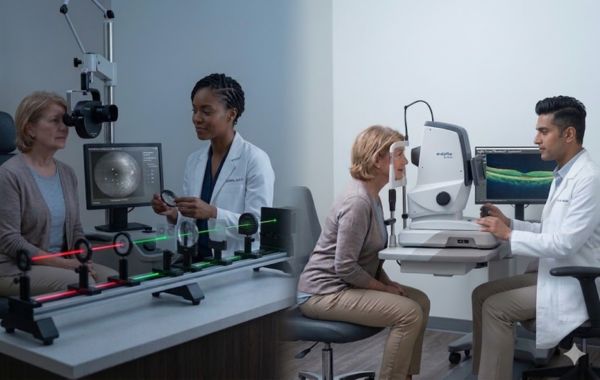
At Utah Retina, our experienced team of retina specialists uses advanced diagnostic tools to locate the exact cause of your vision changes. Early detection is the single most powerful tool we have to stop retinal diseases and preserve your sight. Do not wait until a warning sign becomes permanent vision loss. Contact us today to schedule your comprehensive retinal exam and keep your vision clear, day or night.