
Cholesterol affects blood vessels all over the body, not only the ones near the heart. That includes the tiny vessels inside your eye.
The retina sits at the back of the eye. It is packed with small blood vessels that bring in oxygen and carry away waste. If those vessels get damaged or blocked, the retina suffers too. High cholesterol can play a part in that damage, though it is rarely the only cause. High blood pressure, diabetes, age, and glaucoma often share the blame.
Why the Retina Cares About Cholesterol
The retina cannot work without a steady supply of blood. Its vessels are some of the smallest and most delicate in the body, which makes them sensitive to changes happening everywhere else. When cholesterol starts affecting circulation, the retina can feel it before you notice anything wrong in the rest of your body.
High cholesterol is listed as a risk factor for retinal vein occlusion, a condition where a vein in the retina gets blocked. It almost always shows up alongside other risk factors. Someone might have high cholesterol along with high blood pressure. Another person might have diabetes on top of it. The combination of risk factors usually matters more than any single number on a lab report.
Can High Cholesterol Cause Retinal Vein Occlusion?
Retinal veins carry blood away from the retina. When one gets blocked, blood backs up behind the blockage instead of draining out. This can cause bleeding, swelling, and a drop in oxygen to that part of the retina. Sometimes the macula, the part of the retina used for sharp central vision, swells up too. Doctors call this macular edema.
There are two main types. Branch retinal vein occlusion, or BRVO, blocks one of the smaller veins, so vision loss is usually limited to part of the visual field. Central retinal vein occlusion, or CRVO, blocks the main vein that drains the whole retina, so the effects tend to be more widespread. Both types need a proper eye exam to figure out how serious the blockage is.
Symptoms of Retinal Vein Occlusion
Retinal vein occlusion usually shows up suddenly, and it does not hurt. Common symptoms include:
- Blurry vision in one eye
- A sudden drop in vision
- Distorted or wavy vision
- New floaters appearing out of nowhere
- A dark or shadowy patch somewhere in your field of view
The lack of pain is worth repeating. A person can have a serious retinal problem and feel completely fine otherwise. If your vision suddenly changes, do not brush it off as tiredness or aging.
How High Cholesterol Affects Blood Vessels
LDL cholesterol can build up inside artery walls and form fatty deposits called plaques. Over years, this narrows the vessels and makes them less flexible. Since the retina depends on some of the smallest blood vessels in the body, it tends to show the effects of this process earlier than larger organs might.
This kind of narrowing does not happen overnight. It builds up slowly, often over years, before it ever touches your vision. Regular blood work can catch rising cholesterol long before it reaches the retina.
Cholesterol and Diabetic Retinopathy
Diabetes damages small blood vessels throughout the body, including the ones in the retina. Left untreated, this can turn into diabetic retinopathy, a leading cause of vision loss in adults. High cholesterol works more as an accelerator here, speeding up how fast the damage happens once diabetes is already present.
Long-term diabetes, high blood pressure, high cholesterol, and kidney disease can all accelerate eye damage tied to diabetic retinopathy. One possible outcome is diabetic macular edema, where fluid collects in the macula and blurs the central vision used for reading and driving. Having high cholesterol and diabetes together raises the stakes for managing the numbers you can control, even though it does not guarantee eye disease will follow.
Can Cholesterol Deposits Show Up in the Eye?
Sometimes, yes. During a dilated eye exam, a doctor might spot a small yellowish deposit called a Hollenhorst plaque. It forms when a bit of cholesterol breaks loose somewhere in the bloodstream and gets stuck in a retinal artery. Finding one is not a full diagnosis on its own. It is often a signal worth following up on, since it can point to something going on with blood vessels elsewhere in the body.
Not every mark on the retina is a cholesterol plaque, so this needs a trained eye doctor to confirm. If a plaque is found, it usually leads to a referral for further testing, since it can point to blockages in the carotid arteries or heart.
Can High Cholesterol Cause Sudden Vision Loss?
High cholesterol works quietly in the background, setting the stage for conditions that can cause sudden vision loss more directly. Retinal artery occlusion is one example. This happens when the artery bringing oxygen-rich blood to the retina gets blocked, cutting off the retina’s blood supply almost instantly.
A retinal artery occlusion is treated as a true eye emergency. Sudden vision loss in one eye should never be watched from home to see if it improves. It needs urgent medical attention right away, the same way chest pain or stroke symptoms would.
Risk Factors for Retinal Blood Vessel Problems
| Risk Factor | Why It Matters |
|---|---|
| High blood pressure | Damages and stiffens blood vessels over time, one of the biggest drivers of retinal vein occlusion |
| Diabetes | High blood sugar injures the small vessels in the retina, raising the risk of diabetic retinopathy |
| Age | Adults 50 and older face a higher risk of central retinal vein occlusion |
| Glaucoma | Linked to a higher risk of certain vein blockages, especially central retinal vein occlusion |
| Smoking | Damages blood vessels throughout the body, including the eyes |
| Kidney disease | Often connected to high blood pressure and other vascular problems that reach the retina |
More risk factors on this list mean more reason for regular checkups, with both your eye doctor and your primary care doctor.
How Doctors Diagnose Retinal Problems
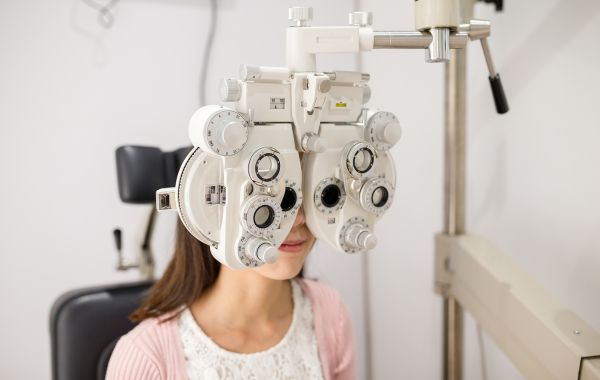
If your vision changes, an eye doctor usually starts with a full exam, often with dilated pupils to get a clear look at the retina. From there, a few imaging tests can help pin down what is happening.
- Optical coherence tomography (OCT): creates detailed cross-section images of the retina and can pick up swelling that is easy to miss on a basic exam
- Fluorescein angiography: uses a dye injected into the bloodstream to map how blood flows through the retinal vessels, showing leaks or blockages
- Blood work: your doctor may also check cholesterol, blood pressure, and blood sugar, since the retina can hint at problems happening elsewhere in the body
How Is Retinal Vein Occlusion Treated?
Treatment depends on the type of occlusion and how much the retina has been affected. Macular edema is one of the most common complications, and it is often treated with anti-VEGF injections that reduce swelling and leakage. Steroid treatments are sometimes used instead, and laser therapy can help with certain complications too.
None of these treatments replace managing the health conditions that likely contributed to the blockage in the first place. Cholesterol, blood pressure, and blood sugar control still matter during and after treatment.
Should You Stop Taking Cholesterol Medicine Because of an Eye Problem?
No. Never stop or change a prescribed cholesterol medication because of a new eye symptom without talking to the doctor who prescribed it first. These medications are usually protecting your heart and your overall vascular health, which includes your eyes.
If you are worried about how your cholesterol treatment connects to your vision, bring it up with your doctor rather than adjusting the dose on your own. Your eye doctor and your primary care doctor may both need to weigh in, especially if a retinal blood vessel problem has already been found.
Vision Changes You Should Never Ignore
Some symptoms need urgent care instead of a routine appointment. Watch for:
- Sudden loss of vision in one eye
- Sudden blurriness that comes out of nowhere
- A new dark spot or shadow in your vision
- A sudden jump in floaters
- New flashes of light
- A curtain or shadow moving across part of your vision
- Sudden distortion, where straight lines look wavy or bent
These changes do not need to hurt to be serious. Getting checked quickly matters more than waiting to see if they fade on their own.
What Your Retina Can Tell You About Your Cholesterol
High cholesterol is part of a bigger picture of blood vessel health, and that picture includes your eyes. The retina depends on a steady, healthy blood supply, and when that supply is disrupted, vision can be affected in ways that range from mild to sight-threatening.
None of this means high cholesterol will automatically cause an eye problem. Plenty of people manage high cholesterol for years with healthy vision the whole time. What it does mean is that keeping track of your cholesterol, blood pressure, and blood sugar is also a way of looking after your eyes. Your heart and your retina end up depending on the same set of healthy blood vessels. If you have noticed changes in your vision or want to understand how your health history might affect your retina, the team at Retina and Vitreous Surgeons of Utah can walk you through what to watch for and when to come in.