
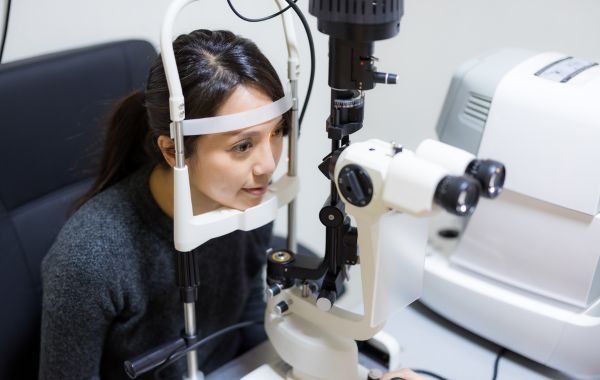
Every heartbeat pumps blood through your body. High blood pressure over time can damage the tiny blood vessels in your retina.This condition is called hypertensive retinopathy. It can cause swelling, bleeding, and vision problems if it is not treated.
One of the biggest concerns is that retinal damage often has no early warning signs. You may not notice pain or changes in your vision until the damage becomes more serious. Regular eye exams can help find problems early. We use advanced eye scans to find early signs of eye disease so treatment can begin before your vision is affected.
How Blood Pressure Affects the Retina
To understand how high blood pressure harms your sight, it helps to know how your eye works.
Think of your eye like a digital camera. The front lens focuses light, while the retina at the back acts like the camera sensor. The retina captures light and sends messages to your brain through the optic nerve. Your brain turns these signals into the images you see.
The retina needs a steady supply of oxygen and nutrients to stay healthy. A network of microscopic blood vessels, arteries and veins delivers this blood directly to the retina.
When your blood pressure stays high for weeks, months, or years, the walls of these tiny arteries react:
- Thickening: The artery walls become thick and stiff because of the extra pressure.
- Narrowing: The blood vessels become smaller, so less blood reaches the retina.
- Leaking: High pressure can weaken blood vessels, causing blood or fluid to leak into the retina.
- Blockages: Blood vessels can become blocked, stopping oxygen from reaching parts of the retina.
When less blood reaches the retina, its nerve cells can become damaged and die. If left untreated, this leads to permanent blurry vision or even complete blindness.
Stages of Hypertensive Retinopathy
Doctors divide hypertensive retinopathy into four stages based on how much damage is found in the retina. Early diagnosis improves the chances of preventing vision loss.
Stage 1: Mild Narrowing: In the earliest stage, high blood pressure causes the tiny arteries in your retina to narrow slightly. You will not notice any symptoms or changes in your vision at this point. An eye doctor can find these early changes during a dilated eye exam.
Stage 2: Arteriolar Changes: If high blood pressure is not controlled, the artery walls become harder. During an eye exam, these arteries may look shiny. Doctors call this copper wiring or silver wiring. These stiff arteries can press on nearby veins and reduce blood flow. Doctors call this arteriolar nipping. You still might not feel any pain or notice blurry vision during Stage 2.
Stage 3: Bleeding and Swelling: By Stage 3, high blood pressure causes clear structural damage inside the eye. High blood pressure can make tiny blood vessels leak blood or fluid into the retina.
A retina specialist examining your eye will see:
- Flame-shaped hemorrhages: Small spots of bleeding spread across the retina.
- Cotton wool spots: White patches caused by damage from poor blood flow.
- Hard exudates: Yellowish spots made of fat and protein deposits left behind by leaking blood vessels.
- During Stage 3, you may begin to notice blurry vision, dim areas in your sight, or trouble reading.
Stage 4: Optic Nerve Swelling: Stage 4 is the most dangerous level of hypertensive retinopathy. It occurs when blood pressure reaches dangerously high levels.
At this stage, high pressure builds inside your skull and eye, causing the optic nerve head to swell a condition called papilledema. The retina suffers widespread swelling, bleeding, and tissue loss. Stage 4 causes sudden, severe vision changes, double vision, and intense headaches. It is a medical emergency that requires immediate care to prevent permanent blindness and life-threatening complications like a stroke.
Stages of Hypertensive Retinopathy and Their Effects
The table below breaks down the four stages of hypertensive retinopathy, what a retina specialist sees during an exam, and how each stage impacts your vision.
| Stage | Retinal Changes Seen During Exam | Common Symptoms | Severity Level |
|---|---|---|---|
| Stage 1 | Mild narrowing of retinal arteries | No symptoms (vision remains normal) | Mild |
| Stage 2 | Moderate narrowing, copper wiring, and vein nipping | No symptoms or slight eye strain | Moderate |
| Stage 3 | Retinal hemorrhages, cotton wool spots, fat deposits | Blurry vision, dim spots, difficulty reading | Advanced |
| Stage 4 | Optic nerve swelling (papilledema) and severe bleeding | Sudden vision loss, double vision, headaches | Medical Emergency |
Warning Signs to Watch For
High blood pressure is often called the silent killer because it rarely causes obvious symptoms in its early phases. You can walk around for years with high blood pressure without feeling sick at all. Early retinal damage also develops gradually and usually does not cause pain or vision changes at first.
However, as retinal damage worsens, warning signs begin to appear. Contact an eye specialist immediately if you experience any of the following symptoms:
- Blurry or Hazy Vision: Objects look out of focus or fuzzy, even when wearing your glasses.
- Double Vision: Seeing two images of a single object, which happens when eye muscles or nerves suffer from poor blood flow.
- Sudden Vision Loss: Partial or total loss of sight in one or both eyes. This can happen if a blood vessel in the retina becomes completely blocked.
- Dim or Dark Spots: Dark patches, shadows, or blind spots appearing in your central or side vision.
- Frequent Headaches: Persistent dull or sharp pain behind your eyes, especially when paired with visual changes.
- Flashing Lights or New Floaters: Seeing spots, cobwebs, or quick bursts of light in your vision, which can signal retinal strain or tearing.
Eye Conditions Linked to High Blood Pressure
Hypertensive retinopathy is not the only eye problem linked to high blood pressure. Uncontrolled hypertension increases your risk for several other serious eye diseases:
1. Retinal Vein Occlusion
When high blood pressure stiffens retinal arteries, those arteries crush neighboring veins. Blood backs up, causing a blockage known as a retinal vein occlusion. This acts like a stroke inside the eye. Blood and fluid spill across the retina, leading to sudden, painless vision loss.
2. Optic Neuropathy
Your optic nerve carries visual information from your eye to your brain. If high blood pressure reduces or blocks blood flow to this crucial nerve, the nerve fibers die. This condition causes permanent loss of side vision or central vision.
3. Choroidopathy
Beneath your retina sits a layer of blood vessels called the choroid. High blood pressure can damage blood vessels in this deeper layer, causing fluid to collect under the retina. Choroidopathy can distort your vision, making straight lines look wavy or bent.
4. Diabetic Retinopathy
If you have diabetes, high blood pressure doubles the risk of severe vision damage. Both conditions weaken tiny blood vessels. When diabetes and high blood pressure occur together, retinal damage happens much faster and causes more severe swelling.
How Retinal Damage Is Diagnosed
Since early retinal damage often causes no symptoms, regular comprehensive eye exams are important for early detection. A retina specialist may use several imaging tests to examine the retina and its blood vessels.
- Dilated Eye Exam: During a dilated exam, your doctor places special drops in your eyes to widen your pupils. This gives the doctor a clear window to look directly at your retina, optic nerve, and blood vessels using a bright light and microscope.
- OCT Eye Scan: OCT is a fast, non-invasive imaging scan that uses light waves to take cross-section pictures of your retina. It reveals tiny layers of tissue and measures swelling or fluid buildup with extreme precision.
- Dye Eye Test: In this test, a harmless dye is injected into a vein in your arm. The dye travels through your bloodstream to your eye’s blood vessels. A special camera takes photos as the dye flows through your retina, highlighting leaks, blockages, and areas lacking blood supply.
Treatment and Prevention
The primary way to treat hypertensive retinopathy is to bring your blood pressure back under control. Once your blood pressure stabilizes, mild damage to your retinal blood vessels often stops progressing and may even improve over time.
Medical Management: Work closely with your primary care doctor to manage your blood pressure. This usually includes:
- Taking prescribed blood pressure medications consistently.
- Eating a heart-healthy diet low in sodium and rich in vegetables, fruits, and lean proteins.
- Staying physically active with regular exercise like walking, swimming, or cycling.
- Maintaining a healthy weight and managing stress levels.
- Quitting smoking, as tobacco smoke further constricts and damages blood vessels.
Advanced Eye Treatments: If high blood pressure has already caused fluid buildup, bleeding, or abnormal blood vessel growth in your retina, specialized eye treatments may be necessary:
- Anti-VEGF Injections: Medications injected into the eye to reduce swelling and stop abnormal blood vessels from leaking.
- Laser Therapy: Focused light beams used to seal leaking blood vessels or shrink abnormal tissue growth.
Conclusion
Protecting your blood pressure does more than safeguard your heart; it directly protects your sight. Because early hypertensive retinopathy develops without obvious warning signs, waiting for vision symptoms to appear means risking permanent damage to your retina’s delicate nerve cells. Proactive monitoring through comprehensive eye care is your best defense for catching subtle vascular changes before they compromise your everyday vision.
If you have high blood pressure or have noticed recent changes in your vision, do not wait to seek expert care. Contact us at Utah Retina today to schedule a comprehensive dilated eye exam with our specialist team, and take an active step toward preserving your sight for years to come.