
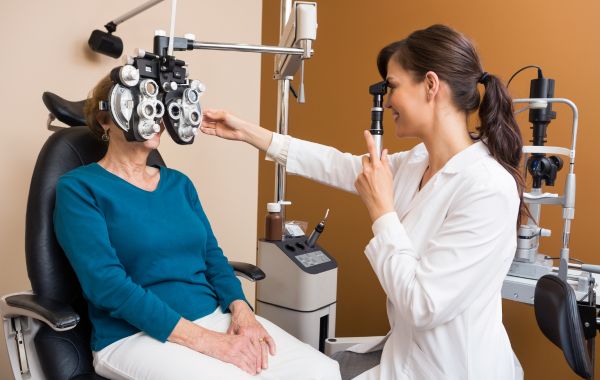
Macular degeneration can impair your sight in cases where you read or drive, identify faces of the people you know, and other activities that you may do on a daily basis. Macular degeneration is an eye problem wherein damage occurs in the macula, the area of the retina that allows for clear sight. Selecting the right eye doctor can give you information on your problem and its possible treatments and changes in your sight.
Selection of a Macular Degeneration Specialist in Utah goes beyond just finding an eye specialist available in your locality and one that will see you at your scheduled time. More should be known about his credentials, experience in handling retinal problems, diagnostic equipment used by him, treatment methods offered by him, and how he treats his patients.
1. Select a Doctor Who Specializes in Retinal Diseases
It is important to remember that all eye doctors are not equal in terms of qualifications or specialization. Optometrists carry out routine eye exams.An ophthalmologist is a doctor who treats different types of eye conditions. Apart from being an ophthalmologist, a retina specialist has additional training for the treatment of retinal conditions.
Why Retina Expertise Is Critical
Macular Degeneration is a type of disease that can affect the particular part of the retina, which is called the macula. Thus, the doctor dealing with retinal disorders will be able to detect the macula abnormalities and advise on the treatment of the problem.
Qualifications of a Macular Degeneration Doctor Include Fellowship in Vitreoretinal Diseases / Surgery, Certification by the Relevant Board, and Clinical Experience.
Another critical factor that one should consider while selecting an ophthalmologist is the treatment of both forms of age-related macular degeneration, which include wet and dry forms.
2. Look for Experts Who Can Treat Different Stages of Macular Degeneration
Not all macular degenerations affect people in the same way. Some people might get macular degeneration without even experiencing symptoms, while some may have blurred vision and problems seeing details.
Know More About Dry and Wet Macular Degeneration
The dry type of macular degeneration is the common one. It is associated with damage and changes to the macula over time. Early stages of this type do not require special treatments. However, certain intermediate and advanced stages might need treatments.
Wet macular degeneration is the presence of abnormal blood vessels underneath the retina that begin leaking. This is the kind of macular degeneration that results in rapid degradation of vision and requires immediate evaluation and treatment.
Through the Macular Degeneration Specialist, you will be able to know the type of condition that you have and the stage of your condition, as well as how your life will be affected. Find out how the specialist manages the development of your condition and how your worsening symptoms influence appointment scheduling.
It is easier to provide personalized care and treatments if a specialist knows about various stages of macular degeneration.
3. Look for the Availability of Diagnostic Tests at the Clinic
An accurate diagnosis is a mandatory requirement for the treatment of macular degeneration. The patient must undergo a thorough examination of the retina and imaging tests to establish the problem.
Tests for Diagnosis of Macular Degeneration
The dilated eye test assists the doctor in the examination of the retina and detection of changes in the macula. OCT produces images of the layers of the retina and helps the doctor find out about possible fluid or swelling.
Based on your symptoms and examination findings, the doctor can decide on other imaging tests of the retina or any other tests. This is how the doctor finds out the type and stage of the disease.
In picking up a clinic for yourself, you have to know what tests the clinic makes and whether their results can be discussed when visiting the doctor. The right equipment of the clinic will allow the doctor to learn about any changes in your body and your reaction to the treatment.
4. Comparison of Available Treatments and Continuation of Care
There are various treatment methods used in cases of macular degeneration; these depend on the type and stage of the illness. There is no one-size-fits-all treatment method, so it is the responsibility of the specialist to inform you about the pros, cons, and possible side effects of different methods that can be used in your particular situation.
Treatment of Dry Macular Degeneration
In case you have developed the disease at its early stages, your physician may recommend that you watch its progression without making any attempts to cure it. However, some changes in lifestyle, such as quitting smoking and having proper nutrition, can help you keep your vision.
Sometimes, the moderate illness can be cured with certain vitamins and minerals. However, not all patients need this kind of treatment.
Some patients with advanced dry macular degeneration can be offered some therapies aimed at slowing the process of growth of damaged areas of retina. Consult your physician to find out if there is an adequate treatment option for your condition.
Wet Macular Degeneration Treatment
Wet macular degeneration is commonly managed by injection of anti-VEGF medicine into the eye. This medicine can assist in managing the abnormal development and leakage of blood vessels to avoid further vision loss.
The treatment process will consist of frequent visits and injections. You should be informed by your doctor about how often you have to visit him/her, what kinds of tests you are supposed to pass, any potential side effects, and what to do when your eyesight worsens during your visits.
A proper Macular Degeneration Specialist will discuss your expectations with you, not promise you perfect vision.
5. Take Into Account the Accessibility of the Facility
Macular degeneration treatment might include regular checkups, testing, and repeated treatments. The choice of a clinic that is easily accessible will contribute to your attendance of appointments regularly.
Select a Suitable Clinic
There are different clinics that are spread out in various locations in Utah including Salt Lake City, Murray, Draper, Provo, and others. Considerations of how far you have to travel to get there, availability of parking space, and whether their appointment timings suit you should be considered.
If you need to have injections often, or your vision is impaired and you have problems with driving, think whether appointment scheduling or any other assistance will be provided to you. It might also be necessary for you to arrange transportation after an appointment if you have had eye dilation or impairment of vision.
Before making your choice, make sure that the facility is currently located and operating and has all the necessary services.
6. Discuss Communication and Patient Support
The possibility of losing vision may be quite a scary diagnosis for the patient. The patient should be encouraged to ask questions and discuss his/her concerns with the doctor.
Features of Good Patient Communication
The competent doctor should give an explanation of difficult terminology, provide an analysis of the results of tests, and explain why he/she recommends a certain treatment. You must be aware of what to expect from the treatment and monitoring of your case.
If you consult the doctor, you need to pay attention to the listening skills of your doctor and to the way he/she answers your questions. You should ask if there is a way for you to contact the clinic in case of new symptoms or any problems with the suggested treatment.
It could be quite beneficial for you to know if the clinic provides the information about resources for low vision for its patients. Sometimes, the treatment does not bring back the complete vision of the patient; however, adequate support may make life easier for the patient.
7. Get Your Insurance Coverage and Treatment Fees Checked
Depending on your insurance cover, the procedures, and the treatment option advised, retinal care charges could differ. You would do well to find out these particulars before you come for your check-up.
Get to know whether the hospital takes your insurance, and whether you require a referral or any pre-authorization in order to seek medical care. If your doctor is going to perform eye injections, inquire whether your medications are covered and what co-payment would be necessary.
It will also be wise if you find out the mode of billing in case your treatment regimen is adjusted.
Questions to Ask Before Choosing a Specialist
Prior to making your choice, be ready to ask several questions in order to clarify the doctor’s experience and treatment philosophy.
| Question | Why It Matters |
|---|---|
| Do you specialize in retinal diseases? | Helps confirm relevant training and clinical focus. |
| How do you determine the stage of macular degeneration? | Explains how the doctor evaluates your condition. |
| Which treatment options may suit my diagnosis? | Helps you understand available approaches to care. |
| How often will I need follow-up appointments? | Helps you plan for ongoing monitoring and treatment. |
| What should I do if my vision suddenly changes? | Clarifies how to respond to possible urgent symptoms. |
| Do you accept my insurance? | Helps you understand coverage and out-of-pocket costs. |
These responses will assist you in determining if the physician is capable of meeting your medical requirements and giving you an appropriate plan of treatment.
8. When to See an Eye Doctor Immediately
Getting an opinion from a professional is very important, but one should not hesitate when seeing unexpected changes in their vision. Blurred vision, black spots in the center of the field of vision, or loss of vision are all signs of something that needs urgent attention.
If one starts seeing curved or wavy lines, they should see an eye doctor immediately. If there are flashes of light, increase in floaters, or even a curtain effect, then it could be an emergency case of retinal problems.
Do not hesitate to make an appointment with the eye doctor for any sudden changes in vision.
Conclusion
Selecting the correct specialist is one of the key elements of dealing with macular degeneration. Look for the medical education, expertise in treating retinal diseases, diagnostic services, possible treatments, and post-treatment support of the patient. You need a specialist who would not only diagnose your illness, but also explain to you what treatment options you have and what a treatment plan would look like.
If you need to find an ophthalmologist in Utah to treat retinal diseases, Retina and Vitreous Surgeons of Utah can provide all needed information regarding specialists and types of retinal diseases, such as macular degeneration. By learning this information, you will be able to get ready for the discussion of your disease.
Tracking the development of your disease, quick treatments, and cooperation with your doctor will allow you to solve the issue and save your vision.