
Your retinas work every second your eyes are open. Reading, driving, recognising faces, all of it depends on a thin layer of tissue at the back of each eye. As you get older, that tissue becomes more vulnerable to damage. Some of the changes happen so gradually that you don’t notice anything until vision loss has already set in.
The good news is that a lot of retinal disease can be slowed down or caught early. Small, steady habits make a bigger difference than most people realise. And understanding what actually puts the retina at risk is a helpful first step.
Why Retinal Health Changes with Age
The retina sits at the back of the eye and converts light into signals that your brain turns into images. When it breaks down, vision gets blurry, patchy, or distorted. Unlike a lot of other tissues in the body, the retina doesn’t repair itself easily once damage sets in.
Age is one of the biggest risk factors for retinal disease. Age-related macular degeneration is the leading cause of vision loss in people over 50 in the US. Conditions like diabetic retinopathy and retinal detachment also become more common as you get older. None of these are unavoidable, but they’re worth taking seriously before symptoms appear.
Common Age-Related Retinal Conditions
| Condition | Who's at Risk | Key Warning Sign |
|---|---|---|
| Age-Related Macular Degeneration (AMD) | Adults 50 and older | Blurry or distorted central vision |
| Diabetic Retinopathy | People with type 1 or type 2 diabetes | Floaters, blurred vision, dark areas |
| Retinal Detachment | Older adults, high myopia, eye injury | Sudden floaters, flashes, curtain across vision |
| Retinal Tears | Adults 40+, posterior vitreous detachment | Sudden increase in floaters or light flashes |
Get Regular Dilated Eye Exams
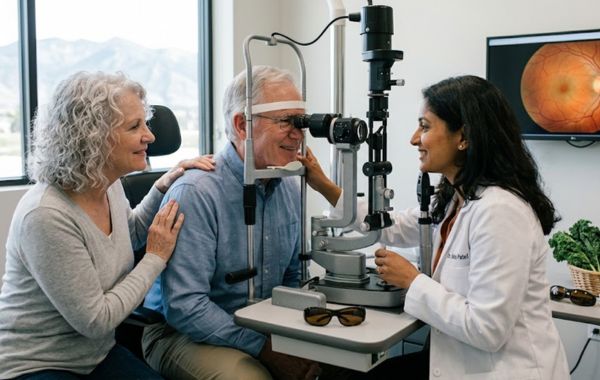
Most retinal conditions have no symptoms in the early stages. By the time vision changes become obvious, real damage has usually already happened. This is why regular check-ups matter so much, even when your eyes feel completely fine. A lot of people skip them because nothing seems wrong, which is exactly when problems are easiest to miss.
A dilated eye exam lets the doctor see the retina directly and spot changes that a standard vision test would miss entirely. If you’re over 50, have diabetes, high blood pressure, or a family history of eye disease, routine exams are one of the only ways to find problems while they’re still easier to treat. How often you need them depends on your individual risk, so it’s worth asking your doctor what schedule makes sense for you.
Eat for Your Eyes
What you eat has a direct effect on retinal health. A few nutrients in particular help protect the cells in the retina from breaking down over time. Most of them are found in everyday foods, so getting enough doesn’t have to be complicated.
Lutein and zeaxanthin are antioxidants that concentrate in the macula and help filter out harmful light. Leafy greens like spinach and kale are among the best sources. Omega-3 fatty acids, found in oily fish like salmon and sardines, help keep the blood vessels that supply the retina in better condition. Eating a varied diet that includes these regularly is more reliable than depending on supplements.
Nutrients That Support Retinal Health
- Lutein and zeaxanthin: spinach, kale, eggs, corn
- Omega-3 fatty acids: salmon, sardines, mackerel
- Vitamin C: citrus fruits, bell peppers, strawberries
- Vitamin E: nuts, seeds, sunflower oil
- Zinc: oysters, beef, pumpkin seeds
- Vitamin A / Beta-carotene: carrots, sweet potatoes, squash
The AREDS study found that specific combinations of antioxidants and zinc may help slow AMD progression in people who already have the condition. Speak to your doctor before starting any supplement routine, since some can interact with medications or aren’t suitable for everyone.
Protect Your Eyes from UV Light
UV rays don’t just damage skin. Over many years, they can damage the retina too and raise the chances of developing macular degeneration. The effects are gradual, which is why most people don’t connect sun exposure to eye disease.
Wear sunglasses that block 100% of UV-A and UV-B rays whenever you’re outside. Wraparound frames give better coverage than standard styles. A wide-brimmed hat adds an extra layer of protection, especially around midday when UV levels are highest. Polarised lenses can also help reduce glare, which makes them more comfortable to wear consistently.
Stay Active
Exercise does more for your eyes than most people expect. The retina depends on good blood flow, and regular physical activity helps keep circulation healthy throughout the body, including inside the eye. Poor circulation over time can contribute to damage in the small blood vessels that keep the retina working properly.
Staying active also lowers the risk of type 2 diabetes and high blood pressure, two conditions that can cause serious retinal damage when poorly controlled. Around 30 minutes of moderate activity five times a week is a good baseline for most adults. Walking, swimming, and cycling all count. It doesn’t need to be anything strenuous to make a difference.
Keep Chronic Conditions Under Control
Diabetes is one of the most common causes of retinal disease. High blood sugar damages the tiny blood vessels in the retina over time, and this leads to diabetic retinopathy. The longer blood sugar stays poorly controlled, the higher the chance of vision problems developing or getting worse.
High blood pressure and high cholesterol cause similar issues. They put strain on blood vessels all over the body, and the ones inside the eye are especially vulnerable because they’re so small. Managing these conditions through diet, medication, and regular monitoring can lower your risk of serious retinal complications over the long term.
Know the Warning Signs
Retinal problems often develop without pain, which is part of what makes them easy to miss. But certain changes in your vision are a clear signal that something needs attention. Acting on them quickly can make a real difference to how well treatment works.
Symptoms to Take Seriously
- A sudden increase in floaters (spots or threads drifting across your vision)
- Flashes of light, especially at the edges of your vision
- A dark shadow or curtain covering part of what you can see
- Straight lines that look bent or wavy
- A sudden drop in central vision
If any of these happen, get checked the same day if possible. A retinal detachment is a medical emergency. The sooner it’s treated, the better the outcome tends to be.
Quit Smoking
Smoking is one of the most well-established risk factors for AMD. Smokers are significantly more likely to develop the condition compared to non-smokers, and the elevated risk doesn’t disappear straight away after quitting. Smoking also speeds up the progression of diabetic retinopathy and raises the risk of other serious eye conditions.
Stopping smoking is one of the most useful steps you can take for your long-term eye health. It also reduces your risk of cardiovascular disease, lung disease, and several other conditions that can indirectly affect the retina through poor circulation and blood vessel damage.
Cut Down on Screen Strain
Long periods on phones, computers, and tablets take a toll on your eyes. Staring at a screen reduces how often you blink, which leads to dryness and fatigue over the course of a day. There’s also ongoing research into whether prolonged blue light exposure contributes to retinal cell stress over time.
The 20-20-20 rule is a practical way to give your eyes regular breaks. Every 20 minutes, look at something at least 20 feet away for 20 seconds. Adjust screen brightness so it isn’t sharply brighter than the room around you, and try to avoid using devices in a completely dark space for long stretches. Good lighting makes screen use easier on your eyes overall.
Retinal Health by Age: A General Guide
| Age Group | Key Focus Areas |
|---|---|
| 40s | Baseline eye exam, blood pressure and diabetes screening |
| 50s | Annual dilated exam, UV protection, diet and exercise habits |
| 60s | Monitor for AMD symptoms, manage chronic conditions closely |
| 70 and older | Frequent retinal checks, watch for floaters and vision changes |
Your Eyes Are Worth the Attention
Keeping your retinas healthy doesn’t require a complicated plan. Regular eye exams, a reasonable diet, staying active, and not smoking cover most of the ground. Knowing the warning signs matters too, because retinal problems caught early are almost always more treatable than those that get missed.
If you have risk factors like diabetes, a family history of macular degeneration, or a previous eye injury, speaking to a retina specialist sooner rather than later is a good idea. The team at Retina and Vitreous Surgeons of Utah are fellowship-trained specialists who focus entirely on conditions of the retina, macula, and vitreous. With offices in Murray, Draper, Provo, and Payson, RVSU provides retinal care for patients across Utah.