
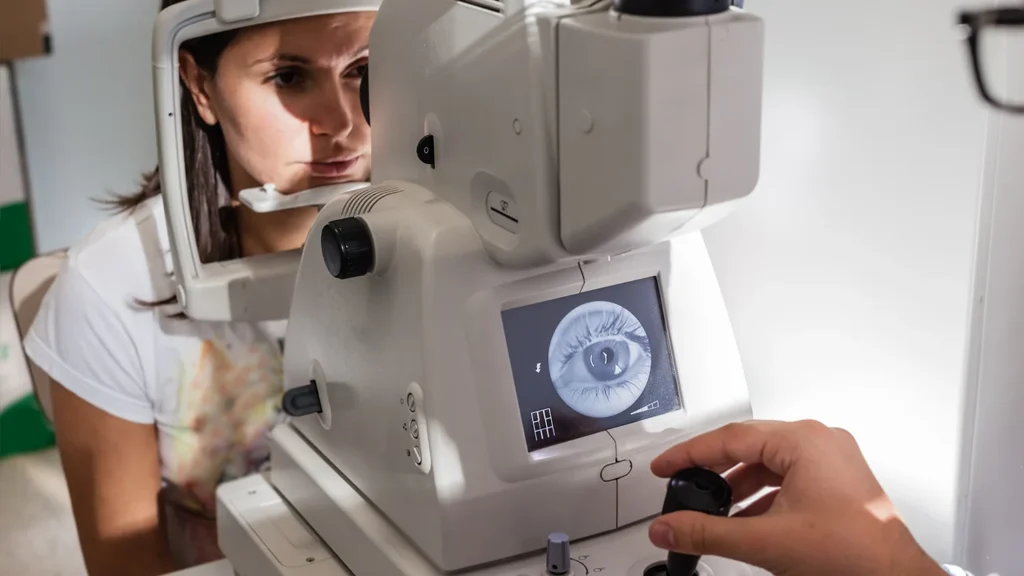
Maintaining clear vision is a fundamental part of overall health, yet many people are unsure when a standard vision checkup needs to be escalated to a specialist. While a general optometrist is excellent for glasses and routine screenings, certain symptoms require the expertise of a retina eye Dr. These specialists focus specifically on the vitreous gel and the delicate retinal tissue at the back of the eye, where the most complex and sight-threatening conditions often develop. Recognizing the red flags in your visual field can be the difference between preserving your sight and facing permanent vision loss.
Understanding the Role of a Retina Eye Dr
The retina is a thin layer of light-sensitive tissue that lines the back of the eye. It functions much like a film in a traditional camera, capturing images and sending them to the brain via the optic nerve. Because the retina is part of the central nervous system, it does not have the ability to regenerate. When damage occurs due to disease or injury, a retinal eye doctor must intervene quickly to stabilize the tissue.
These specialists undergo years of additional fellowship training beyond standard ophthalmology to master the microsurgical techniques and diagnostic imaging required for the posterior segment of the eye. At Retina and Vitreous Surgeons of Utah (RVSU), our focus is on managing conditions like macular degeneration, diabetic retinopathy, and retinal detachments using the most sophisticated technology available today.
When to See a Retina Eye Dr: Sudden Onset of Floaters and Flashes
One of the most common reasons to seek an immediate consultation with a retina eye doctor is the sudden appearance of floaters or flashes of light. While many people have a few specks or cobwebs in their vision that drift slowly, a sudden shower of new floaters is a significant warning sign.
- Floaters: These are tiny clumps of gel or cells inside the vitreous that cast shadows on the retina.
- Flashes: These look like lightning streaks or flickering lights, often in your peripheral vision, caused by the vitreous pulling on the retina.
If the vitreous gel pulls hard enough, it can create a retinal tear. If left untreated, fluid can seep through the tear and lift the retina off the back of the eye, leading to a full detachment. Seeing a retina eye Dr within 24 to 48 hours of these symptoms can often allow for a simple laser procedure to seal the tear before it progresses to a surgical emergency.
The Dark Curtain: Peripheral Vision Loss
Perhaps the most urgent red flag is the sensation of a dark shadow, veil, or curtain moving across your field of vision. This often starts in the periphery and can gradually move toward the center. This symptom is a classic hallmark of retinal detachment.
Unlike a smudge on your glasses, this shadow does not go away with blinking and remains in a fixed position. If you experience this, you should contact a retina eye doctor immediately. Timely intervention is critical because once the central part of the retina—the macula—detaches, the chances of recovering crisp, detailed vision decrease significantly.
When to See a Retina Eye Dr: Distorted or Wavy Vision
If you notice that straight lines, such as door frames or lines of text on a page, suddenly appear wavy, crooked, or bent, this is known as metamorphopsia. This distortion usually indicates an issue with the macula, the center of the retina responsible for your fine-detail vision.
A retina eye Dr frequently sees this symptom in patients developing age-related macular degeneration (AMD) or a macular hole. In the case of wet AMD, abnormal blood vessels grow under the retina and leak fluid, causing the macula to lift and distort your sight. Because these conditions can progress rapidly, early diagnosis via specialized imaging like Optical Coherence Tomography (OCT) is essential for starting treatments that can stop the leakage and stabilize your vision.
Blurred Central Vision and Blind Spots? See Your Doctor
While general blurriness can sometimes be attributed to a need for a new prescription or cataracts, a persistent gray, black, or blurry spot in the very center of your vision is a major concern. This can make it difficult to recognize faces, drive, or read.
Conditions like diabetic retinopathy or retinal vein occlusions can cause swelling in the retina (edema), leading to these central blind spots. A retina eye Dr uses dilated exams and specialized imaging to map the blood flow in the back of the eye and identify areas of leakage or poor circulation. Managing these systemic-related eye issues requires a high level of specialization to prevent long-term scarring.
Who is at Higher Risk?
While anyone can experience retinal issues, certain individuals should be extra vigilant and maintain a regular relationship with a retina eye Dr. High-risk factors include:
- Diabetes: Chronic high blood sugar damages small vessels in the retina.
- High Myopia: Very nearsighted individuals have thinner retinas, making them more prone to tears and detachments.
- Family History: Genetic predispositions play a large role in macular degeneration.
- Age: The risk for many retinal diseases increases significantly after the age of 60.
- Previous Eye Trauma: A hard blow to the eye can cause retinal issues months or even years later.
Protecting Your Sight at Retina and Vitreous Surgeons of Utah
Your vision is irreplaceable, and your retina is its foundation. If you experience any of these red flags—flashes, a sudden increase in floaters, wavy lines, or a shadow in your vision—do not wait for your next routine eye exam. Seeking the care of a qualified retina eye Dr promptly can be the deciding factor in maintaining your independence and quality of life. At RVSU, we provide the specialized diagnostic and therapeutic tools necessary to address these complex conditions head-on, ensuring your eyes receive the expert attention they deserve.