
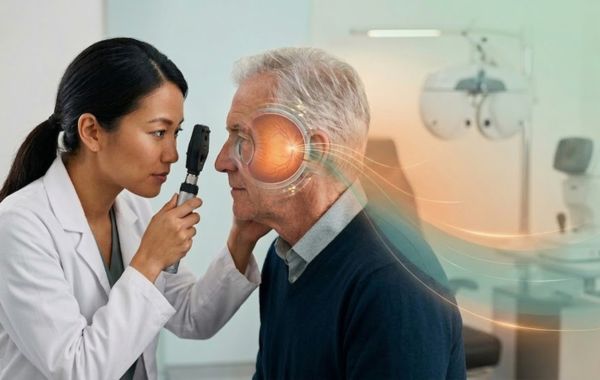
Your eyes allow you to see the world around you. You use them to read books, see your family, and drive your car safely. But inside your eye, there is a very small, thin layer of tissue that does most of the heavy lifting. This layer is called the retina. The retina acts like the film inside an old camera. It catches the light that enters your eye and sends signals to your brain so you can understand what you are looking at.
If your retina gets sick or damaged, your vision can change very quickly. Sometimes, these changes can lead to permanent vision loss if you do not get help right away. That is why knowing the warning signs of retinal disorders is so important.
What is a Retinal Disorder?
A retinal disorder is any medical problem that hurts the retina at the back of your eye. Because the retina is packed with special cells that sense light, any damage to this area can cause blind spots, blurry vision, or even total blindness.
There are many different types of retinal conditions. Some happen slowly as you get older, while others can happen suddenly due to a medical emergency or an illness like diabetes. No matter what causes the problem, the most important thing to remember is that early detection can save your sight.
The Most Common Types of Retinal Problems
To understand the warning signs, it helps to know about the most common retinal disorders that doctors treat every day.
- Retinal Detachment: This happens when the retina pulls away from its normal position at the back of the eye. Think of it like wallpaper peeling off a wall. When it detaches, the retina loses its blood supply and stops working. This is a major medical emergency.
- Macular Degeneration: The macula is the very center part of your retina. It gives you your sharp, straight-ahead vision. As some people grow older, the macula breaks down. This makes it hard to read, sew, or recognise faces.
- Diabetic Retinopathy: People with high blood sugar from diabetes can suffer damage to the tiny blood vessels inside their eyes. These vessels can leak fluid or bleed into the eye, which blocks your vision.
- Retinal Vein Occlusion: This is basically a blockage or a stroke in the eye. A tiny blood clot blocks a vein in the retina, causing sudden vision loss or blurry spots.
5 Warning Signs of Retinal Disorders You Must Not Ignore
Many eye problems do not cause any physical pain. Your eye will not feel sore, itchy, or red. Instead, the symptoms will show up directly in how you see. If you notice any of these five changes in your vision, you need to contact an eye doctor or a retina specialist immediately.
1. A Sudden Increase in Floaters and Flashes of Light
Have you ever seen tiny specks, spots, or cobwebs drifting across your field of vision? These are called floaters. They are actually tiny clumps of gel inside your eye casting shadows on your retina. Having a few floaters is completely normal, especially as you grow older.
However, if you suddenly see dozens of new floaters all at once, it is a major warning sign. This is even more dangerous if the floaters come with bright flashes of light that look like lightning streaks or fireworks in the corner of your eye. These flashes mean that something is physically pulling on your retina. This pulling can tear the tissue and cause a full retinal detachment.
2. A Dark Curtain or Shadow Over Your Vision
Imagine walking through a room and suddenly seeing a dark shadow creep into the corner of your eye. Some people describe it as a dark curtain or a gray veil falling across their field of vision.
This shadow usually starts at the top, bottom, or side of your eye and slowly grows larger. This is a classic, textbook sign of a detached retina. As the retina peels away, the parts that leave the wall lose power, creating a growing blind spot. If you see a curtain-like shadow, do not wait until the next day to see if it goes away. Go to an emergency eye doctor immediately.
3. Straight Lines Looking Wavy or Distorted
When you look at a doorway, a tiled floor, or a sheet of lined paper, the lines should look perfectly straight. If those straight lines suddenly look bent, crooked, wavy, or distorted, something is wrong with the center of your retina.
This symptom points directly to a problem with your macula, such as macular degeneration or swelling from diabetes. When fluid leaks under the macula, it lifts the center of the retina out of place. This makes straight lines look like they are bending or warping.
4. Blurry or Blurred Vision in the Center
If you are trying to read a book or look at a friend’s face, but the exact spot you are looking at is fuzzy, dark, or missing entirely, you are experiencing central vision loss. You might still be able to see things out of the corners of your eyes, but your direct, straight-ahead sight is compromised.
This center blurriness can start small and make text look a bit fuzzy. Over time, it can grow into a permanent dark spot right in the middle of your view. This makes everyday activities like reading medicine labels, cooking, or watching television incredibly difficult.
5. Sudden, Unexplained Loss of Vision
Losing your sight out of nowhere is never normal. Whether you lose all your vision in one eye or just a large section of it, a sudden drop in your ability to see is a critical emergency. This can happen in just a few seconds or over a couple of hours.
Sudden vision loss often means that a blood vessel has burst and filled your eye with blood, or a major blood clot has blocked the flow of oxygen to your retina. Every minute counts when trying to restore blood flow or clear blood from the eye to prevent permanent damage.
Comparing Retinal Warning Signs
To help you remember what to watch out for, here is a quick reference table that matches common symptoms with the specific retinal issues they might represent.
| Visual Warning Sign | What It Feels or Looks Like | Possible Retinal Disorder | Urgency Level |
|---|---|---|---|
| New Flashes & Floaters | Sudden bursts of light; dozens of new spots or cobwebs floating around. | Retinal Tear or Detachment | High Emergency (See a doctor within hours) |
| Dark Curtain / Shadow | A gray or black shade pulling across your side or top vision. | Retinal Detachment | High Emergency (Go to an eye clinic or ER) |
| Wavy Straight Lines | Grid lines, door frames, or book text looking bent or distorted. | Macular Degeneration / Macular Edema | Urgent (Schedule an evaluation within 24-48 hours) |
| Central Blurry Patch | A fuzzy or dark spot right in the middle of where you are looking. | Macular Degeneration / Diabetic Retinopathy | Urgent (See a specialist soon) |
| Sudden Vision Drop | Going completely or partially blind in one eye without any physical pain. | Retinal Vein Occlusion / Severe Bleeding | High Emergency (Immediate medical care needed) |
Who is at Risk for Retinal Disorders?
While anyone can develop a retinal problem, certain factors make it much more likely. Knowing your risk level helps you stay alert to the warning signs.
- Age: People over the age of 50 are at a much higher risk for developing macular degeneration or changes in the eye gel that cause retinal tears.
- Diabetes: High blood sugar damages blood vessels everywhere in the body, including the eyes. If you have diabetes, you must get a dilated eye exam every single year.
- Severe Nearsightedness: People who need very thick glasses because they cannot see far away have longer eyeballs than normal. This stretches the retina, making it thinner and much easier to tear.
- Family History: If your parents or siblings have had retinal detachment or macular degeneration, your chances of getting these conditions go up.
- Eye Injuries: A hard blow to the face or eye from a sports accident or a car crash can cause physical trauma that pulls the retina loose years down the road.
How Eye Doctors Protect Your Vision
When you see a retina specialist, they have advanced tools to look deep inside your eye to catch problems before they destroy your sight. During an exam, the doctor will usually give you eye drops to dilate (widen) your pupils. This allows them to use special lenses and lights to view your entire retina clearly.
If they find a tear or a detachment, they can use lasers or freezing treatments to seal the retina back down to the wall of your eye. For illnesses like macular degeneration or diabetic retinopathy, they can use special medications or quick, painless injections directly into the eye to stop abnormal blood vessels from leaking fluid.
Conclusion
Your eyes are your windows to the world, and the retina is the engine that keeps them running. While retinal disorders can sound scary, remembering the warning signs is your best defense. Whether it is a sudden burst of flashes and floaters, a strange dark curtain in your vision, or straight lines that look mysteriously wavy, your body has a way of telling you when it needs help.
The good news is that you do not have to map out this journey alone. Modern eye care has advanced by leaps and bounds, meaning treatments are more effective than ever when caught early. If you notice any sudden changes in your sight or simply want to check on your eye health, please contact us today to schedule an evaluation. By staying alert and getting regular checkups, you can protect your vision and enjoy a bright, clear future.