
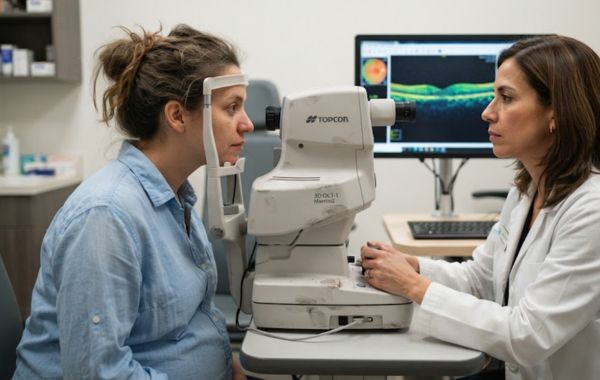
Pregnancy causes many changes throughout the body, including changes that can affect your eyes. While vision problems are not common, they can happen during pregnancy. In some cases, these changes can affect the retina. The retina is the light-sensitive tissue at the back of the eye. It sends visual signals to the brain, allowing you to see clearly.
During pregnancy, hormone levels, blood circulation, and body fluids change significantly. While these changes support your baby’s development, they can also affect the small blood vessels in your eyes. Knowing how pregnancy can affect your retinal health can help you recognize problems early and protect your vision.
How Pregnancy Affects Your Eyes
When you are pregnant, your body produces much more blood than usual to support the baby. Your hormone levels, especially estrogen and progesterone, skyrocket. These shifts can cause your body to hold onto extra water.
This extra fluid can change the shape and thickness of your cornea, which is the clear front window of your eye. This is why some pregnant women notice that their vision gets a little blurry, or that their contact lenses do not fit comfortably anymore. Most of these vision changes improve after delivery, but some women may also experience changes in the retina.
Retinal Risks During Pregnancy
While most women have healthy pregnancies without any eye problems, certain conditions can increase the risk of retinal issues. Knowing what these conditions are can help you stay ahead of any potential problems.
Diabetic Retinopathy: If you had diabetes before getting pregnant, you need to watch your retinal health very closely. Diabetic retinopathy is a condition where high blood sugar damages the blood vessels in the retina. Pregnancy may cause diabetic retinopathy to progress more quickly in some women.
During pregnancy, your body’s metabolism changes, making it harder to manage blood sugar. If the blood vessels in your retina get damaged, they can leak fluid or blood into the eye, causing blurry vision or even permanent vision loss if left untreated.
Gestational Diabetes: Some women develop high blood sugar for the very first time during pregnancy. This is called gestational diabetes. While it usually disappears after the baby is born, it can still put stress on your eyes during the pregnancy. Women with gestational diabetes have a small risk of developing retinal changes, especially if their blood sugar levels stay high for a long period.
High Blood Pressure Risks: Preeclampsia is a serious condition that can happen after the 20th week of pregnancy. It is marked by a sudden rise in blood pressure and signs of damage to other organs, like the kidneys.
High blood pressure affects the entire body, including the eyes. When blood pressure rises quickly, the tiny blood vessels in the retina can become damaged or leak. This can cause a condition called hypertensive retinopathy. In severe cases of preeclampsia, fluid can build up underneath the retina, causing it to lift away from the back of the eye. This is known as a retinal detachment, and it requires immediate medical care.
High Myopia: If you had severe nearsightedness before pregnancy, your eyeballs are naturally slightly longer from front to back. This structural shape stretches the retina, making it thinner and more fragile. The physical strain of labor and delivery, combined with the fluid changes during pregnancy, can slightly increase the risk of developing small tears or holes in a thin retina.
Common Retinal Conditions
The table below summarizes the most common retinal conditions that may occur during pregnancy.
| Retinal Condition | Main Cause | Common Symptoms | Long-term Risk |
|---|---|---|---|
| Diabetic Retinopathy | Pre-existing diabetes and blood sugar spikes | Blurry vision, dark spots, floaters | Can worsen quickly; needs close monitoring |
| Gestational Diabetes Changes | High blood sugar starting during pregnancy | Mild blurring, temporary vision changes | Usually resolves after delivery |
| Hypertensive Retinopathy | Preeclampsia and high blood pressure | Flashing lights, sudden blurry vision, blind spots | High risk if blood pressure is not controlled |
| Exudative Retinal Detachment | Severe fluid buildup from preeclampsia | Sudden, painless loss of vision, distorted sight | Emergency situation, requires immediate care |
| Retinal Tears | Thinned retina from severe nearsightedness | Sudden increase in floaters, flashes of light | Can lead to full detachment if ignored |
Warning Vision Symptoms
Many vision changes during pregnancy are minor and temporary, like mild dryness or slight blurriness. However, certain warning signs point directly to a retinal issue. If you experience any of the following symptoms, contact an eye care professional immediately:
- Sudden Blurry Vision: If your vision gets blurry all of a sudden, it could be a sign of a blood pressure spike or a change in your retina.
- Flashing Lights: Seeing quick flashes of light, especially in the corners of your eyes, can mean the retina is being pulled or stretched.
- New Floaters: Floaters look like tiny spots, webs, or threads drifting across your field of vision. A sudden burst of new floaters can indicate a retinal tear or bleeding.
- Blind Spots or Dark Curtains: If a shadow or a dark curtain seems to fall over part of your vision, it is a classic sign of a retinal detachment.
- Distorted Vision: Seeing double, or noticing that straight lines look wavy, can mean fluid is building up in the center of your retina.
Protect Your Retina During Pregnancy
Taking care of your eyes during pregnancy includes regular medical care and healthy daily habits.
- Get an Eye Exam: If you are planning to get pregnant, or if you just found out you are expecting, book an eye exam. If you have pre-existing diabetes, experts recommend getting a dilated eye exam during the first trimester, and then continuing to check in with your eye doctor throughout the pregnancy based on their advice. A dilated exam allows the doctor to look directly at your retina and catch small changes before they damage your sight.
- Manage Blood Sugar and Blood Pressure: Working closely with your OB/GYN or primary doctor to manage your blood pressure and blood sugar is the best defense for your eyes. Eating a balanced diet, staying active with safe exercises, and taking any prescribed medications exactly as directed will keep your blood vessels healthy.
- Eat for Healthy Eyes: Drinking plenty of water helps manage fluid retention in your body. In addition, fill your plate with foods rich in antioxidants, vitamins C and E, and omega-3 fatty acids. Leafy greens, eggs, nuts, and fish all support retinal health.
- Watch for Vision Changes: Pay attention to how you see each day. If you notice that reading becomes harder, or if you feel like you are constantly blinking to clear your vision, note it down and mention it to your doctor. Never assume that a major vision change is just a normal part of being pregnant.
Safe Eye Treatments During Pregnancy
If a doctor discovers a retinal issue while you are pregnant, you might worry about the safety of treatments for your baby. Ophthalmologists are highly trained to handle these exact situations safely.
Many diagnostic tests, like taking digital photos of the retina, are completely safe. If your pupils need to be dilated, your doctor will use specific drops and can apply pressure to the corner of your eye near the nose for a minute after giving the drops. If treatment is needed, your retina specialist and obstetrician will work together to choose the safest approach.
For conditions like diabetic retinopathy or retinal tears, treatments like laser therapy can often be performed safely during pregnancy. Your eye specialist will always coordinate closely with your obstetrician to ensure that any plan puts the safety of both you and your baby first.
Conclusion
Pregnancy brings many physical changes, including some that may affect your eyes. While preparing for your baby’s arrival, it is also important to care for your own health, keeping an eye on your own health is just as critical. The changes in your blood pressure, blood sugar, and overall fluid levels put unique demands on the delicate blood vessels inside your eyes. Staying aware of warning signs like sudden blurriness, flashes of light, or new floaters helps ensure that any minor shifts do not turn into long-term vision concerns.
Taking care of your eyes ensures you can fully enjoy every single moment of motherhood with crisp, healthy vision. If you have pre-existing health conditions or notice any sudden changes in the way you see, please do not wait to seek professional advice. Feel free to visit our office or contact us today to set up your comprehensive eye exam, allowing our specialized team to safeguard your vision throughout your pregnancy and beyond.