
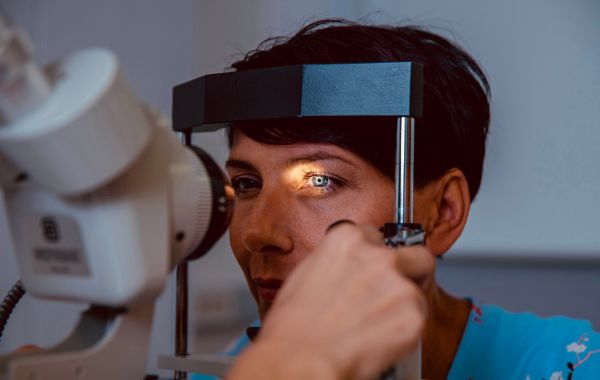
If your eye doctor says you need an eye injection, you may feel worried or have many questions. An intravitreal injection may sound scary, but it is a common treatment for retinal problems such as macular degeneration and diabetic macular edema. Two common types are Anti-VEGF and steroid injections. Both can help protect your vision, but they work in different ways.
Knowing the difference can help you feel more comfortable with your care. This guide explains how Anti-VEGF and steroid injections work, their benefits and risks, and how your retina specialist chooses the right treatment for you.
Why Do Eyes Need Injections At All?
Some eye diseases can cause fluid to leak into the retina, the part of your eye that helps you see. This fluid can cause swelling and blurry vision. Without treatment, it may also lead to permanent vision loss.
Common conditions treated with eye injections include:
- Wet age-related macular degeneration (AMD)
- Diabetic macular edema (DME)
- Diabetic retinopathy
- Retinal vein occlusion
- Uveitis (eye inflammation)
Doctors use injections because they send the medicine directly to the back of the eye. Pills and eye drops may not deliver enough medicine to this area.
What Is an Anti-VEGF Injection?
VEGF is a protein that helps your body grow blood vessels. It is a protein that your body makes naturally. VEGF helps your body grow blood vessels. But too much VEGF can cause abnormal blood vessels to grow and leak fluid under the retina. Anti-VEGF drugs block this protein. Blocking VEGF can slow abnormal blood vessel growth and reduce leaking. This can reduce swelling, slow vision loss, and sometimes improve vision.
Common Anti-VEGF drugs include:
- Eylea (aflibercept)
- Lucentis (ranibizumab)
- Avastin (bevacizumab)
- Vabysmo (faricimab)
These drugs are given as a small injection directly into the eye, usually every 4 to 8 weeks depending on the condition and how well the eye responds.
What Is a Steroid Injection?
Steroid injections work in a different way. They help calm inflammation inside the eye. Inflammation can cause swelling in conditions such as diabetic macular edema and uveitis. Steroids reduce swelling by calming inflammation in the eye. This can reduce fluid buildup and improve vision when Anti-VEGF treatment does not work well enough.
Common steroid options include:
- Triamcinolone acetonide
- Ozurdex (dexamethasone implant)
- Iluvien (fluocinolone acetonide implant)
Some steroid treatments are given as a single injection, while others come as tiny implants that release medicine slowly over several months.
Anti-VEGF vs. Steroid Injections
| Feature | Anti-VEGF Injections | Steroid Injections |
|---|---|---|
| How it works | Blocks VEGF protein to stop abnormal vessel growth | Calms inflammation and reduces swelling |
| Best for | Wet AMD, diabetic macular edema, retinal vein occlusion | Diabetic macular edema, uveitis, cases resistant to Anti-VEGF |
| How often given | Every 4 to 8 weeks | Every 3 to 6 months (varies by drug) |
| Common brands | Eylea, Lucentis, Avastin, Vabysmo | Triamcinolone, Ozurdex, Iluvien |
| Main risk | Eye infection, mild eye pressure changes | Cataracts, increased eye pressure |
| Onset of results | Gradual, over several treatments | Often faster, within weeks |
| Long-term use | Can be used safely for long-term treatment | Needs closer monitoring for pressure and cataracts |
Side Effects: What to Expect
All injections have some risks, but serious problems are rare. Your retina specialist will check your eye at each visit.
Anti-VEGF side effects can include:
- Eye redness or irritation
- Feeling like something is in your eye
- Small floaters after the injection
- Rare risk of infection or retinal detachment
- A small rise in eye pressure after the injection
Steroid side effects can include:
- Increased eye pressure (glaucoma risk)
- Faster cataract development
- A higher risk of eye infection with repeated treatment
For this reason, doctors may use steroids after other treatments, especially in younger patients or people with glaucoma.
Which Treatment Works Better?
There is no single best treatment. The right choice depends on your condition, health history, and how your eye responds.
For Wet Macular Degeneration:
- Anti-VEGF injections are usually the first treatment doctors use.
- They slow abnormal blood vessel growth and help protect your vision.
For Diabetic Macular Edema:
- Retina specialists often start with Anti-VEGF treatment.
- If fluid remains after several treatments, steroids may be another option.
For Uveitis & Inflammatory Conditions:
- Steroids are often the main treatment.
- These conditions are mainly caused by inflammation, not abnormal blood vessel growth.
Some patients may need both treatments at different times to control swelling and protect their vision.
What Does the Injection Appointment Look Like?
Both types of injections are done in the office in a similar way. Here is what to expect:
- Your eye is numbed with drops so you won’t feel pain.
- The area around your eye is cleaned to help prevent infection.
- The doctor gives the injection using a very thin needle.
- The whole process takes just a few minutes.
- You may notice mild irritation for a day, but most people go back to normal activities right away.
Many patients find that worrying about the injection is worse than the injection itself. The procedure is quick and routine.
How Many Injections Will You Need?
How often you need treatment depends on how your eye responds:
- Initial Phase: Many patients get monthly injections at first to control swelling and fluid.
- Maintenance Phase: Once your eye is stable, your doctor may wait longer between injections, such as 2–3 months.
- Monitoring: Your specialist may use an OCT scan to take pictures of your retina and check for swelling or fluid.
Conclusion
Both Anti-VEGF and steroid injections are safe, highly effective treatments designed to protect and preserve your vision. Anti-VEGF injections target abnormal blood vessel growth and leaks, while steroid injections focus on calming inflammation and reducing swelling in the retina. Understanding how each option works can help you feel more confident and informed as you navigate your eye care journey.
Because every eye is unique, treatment plans vary based on your specific diagnosis, medical history, and how your retina responds over time. If you or a loved one need specialized care for retinal conditions, the experienced team at Utah Retina is here to support you every step of the way. Contact Us today to schedule a consultation with one of our retina specialists and protect your vision.