
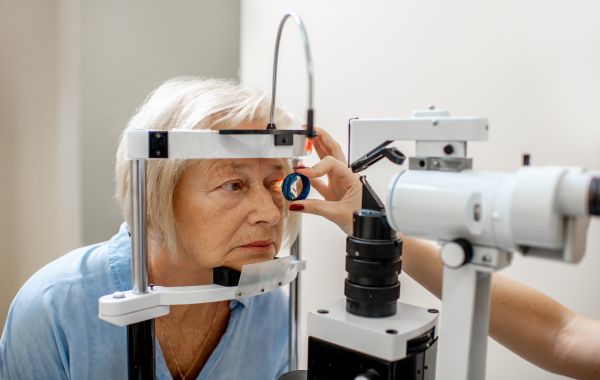
If your doctor recommends an eye injection, it is normal to have questions. You may wonder if it will hurt and how soon you will see results.The medicine can start working within 24 to 72 hours. However, it may take 1 to 4 weeks before you notice a change in your vision. For many patients, peak results are achieved after a series of two or three monthly initial treatments.
Our goal is to protect and improve your vision with expert and compassionate care. Knowing what to expect can help you feel more comfortable and confident during treatment. This comprehensive guide walks you through what happens inside your eye after an injection, what to expect during recovery, and how to maximize your long-term visual outcome.
What Is an Intravitreal Injection?
An intravitreal injection is a quick procedure. A retina specialist puts medicine into the inside of your eye, near the retina. This area is filled with a clear gel called the vitreous.
Eye drops and pills may not reach the retina well enough to treat some eye problems. Putting the medicine directly into the eye helps it reach the retina where it is needed.
Retina specialists commonly use these injections to treat several serious eye conditions:
- Wet Age-Related Macular Degeneration (Wet AMD): Abnormal blood vessels grow under the retina and leak fluid or blood.
- Diabetic Macular Edema (DME): High blood sugar damages tiny blood vessels, causing fluid to build up in the central retina.
- Retinal Vein Occlusion (RVO): A blockage in a retinal vein causes fluid swelling and sudden vision loss.
- Diabetic Retinopathy: Damaged blood vessels weaken and leak across the retinal tissue.
- Macular Edema: Swelling in the central area of the retina responsible for sharp, detailed vision.
Most of these medicines belong to a group called anti-VEGF drugs (such as Eylea, Avastin, Lucentis, and Vabysmo). VEGF is a protein that can cause weak new blood vessels to grow in the eye. Anti-VEGF medicines block this protein. This can help stop blood vessels from leaking and reduce swelling.
The Complete Injection Timeline: What to Expect
Every person heals at a different speed, but eye injections follow a general timeline. Here is a breakdown of what happens in your eye from the first minute to several months later.
1. The First 24 to 72 Hours (Biochemical Action)
After the medicine enters the eye, it moves toward the retina.Within a day or two, it starts blocking extra VEGF proteins. The medicine helps reduce leakage from damaged blood vessels.
You may not notice better vision during the first few days. Your eye may feel a little scratchy. You may also see small spots or bubbles in your vision. This is completely normal.
2. Week 1 to Week 4 (Early Visual Improvement)
As the swelling goes down, the retina can begin to return to a healthier shape. During the first 1 to 4 weeks, many patients notice less blurry central vision. Straight lines, such as door frames or lines on a page, may start to look straighter.
If your condition was caught early, you might notice sharper sight during this period. If your eye has severe swelling, progress may be slower.
3. Month 1 to Month 3 (Cumulative Gains)
Treatment often starts with a series of regular injections. This may mean getting one injection each month for the first three months. Each injection can help build on the results of the earlier treatment.
By the second or third month, the amount of fluid in the retina may be much lower. Most patients reach their peak visual improvements during this window.
4. Month 4 and Beyond (Maintenance Phase)
Once your retina is stable and the swelling is under control, your doctor may change your treatment schedule. The goal then becomes keeping the swelling from coming back. Your doctor may space out your injections every 6, 8, 10, or 12 weeks.
Intravitreal Injection Action Timeline
| Timeframe | What Is Happening Inside the Eye | What You May Notice in Your Vision |
|---|---|---|
| First 24–72 Hours | Medicine binds to VEGF proteins and stops new fluid leakage. | Mild scratchiness, temporary floaters, or dark spots. No major visual boost yet. |
| Weeks 1–2 | Fluid swelling slowly absorbs back into the eye tissue. | Less haze in central vision; distortion may start to reduce slightly. |
| Weeks 3–4 | Retinal swelling flattens significantly. | Reading print becomes easier; straight lines look cleaner. |
| Months 2–3 | Multiple doses keep vessels dry and allow tissue to heal. | Peak visual sharpness and steady reduction in blind spots. |
| Months 4+ | Maintenance doses prevent new leakage from returning. | Stable, protected vision with longer gaps between appointments. |
Key Factors That Influence How Fast Injections Work
Everyone responds to treatment differently. Several factors can affect how quickly you see results.
1. The Underlying Eye Condition
- Wet AMD: Fluid often begins clearing quickly, but permanent scarring can limit how much vision comes back.
- Diabetic Macular Edema: Swelling from diabetes can take longer to absorb because blood sugar levels affect overall vessel health.
- Retinal Vein Occlusion: Swelling can be severe, but response to anti-VEGF medicine is often strong and noticeable within weeks.
2. How Long the Condition Was Present
If swelling or bleeding has been present for a long time, it may have damaged the retina. New swelling may respond faster than swelling that has been present for a long time.
3. The Specific Medication Used
Your retina specialist chooses a medicine tailored to your eye. Some medicines, such as Vabysmo and Eylea HD, can last longer in the eye. This may allow more time between injections.
4. General Health and Blood Sugar Control
For patients with diabetic eye disease, stable blood sugar and blood pressure help the retina heal much faster alongside injections.
Condition vs. Expected Visual Outcomes
| Condition Treated | Primary Goal of Injection | Typical Time to See Results | Long-Term Expectation |
|---|---|---|---|
| Wet AMD | Stop vessel growth & fluid leaks | 2 to 4 weeks | Vision stabilization; prevents severe central sight loss |
| Diabetic Macular Edema (DME) | Clear fluid in central macula | 4 to 8 weeks (after 2-3 doses) | Gradual vision recovery as swelling stays down |
| Retinal Vein Occlusion (RVO) | Drain sudden blood & fluid buildup | 1 to 3 weeks | Significant vision recovery if caught quickly |
| Macular Edema (Post-Surgery/Inflammatory) | Reduce retinal inflammation | 1 to 2 weeks | Often full resolution after a short series of treatments |
What Happens During an Eye Injection Procedure?
It is normal to feel nervous about an eye injection. Knowing what to expect can help you feel more at ease. The procedure takes only a few minutes in the clinic room, and the actual injection takes less than one second.
- Numbing the Eye: The care team uses numbing drops or gel to help prevent pain during the injection.
- Cleaning the Area: The skin around your eye and the eye surface are sanitized with a yellow antiseptic solution (povidone-iodine) to prevent infection.
- Keeping the Eye Open: A tiny, gentle device holds your eyelids open so you do not have to worry about blinking.
- The Injection: The doctor asks you to look in a certain direction. The medicine is then placed through the white part of your eye. You may feel a brief sensation of mild pressure, but not sharp pain.
- Rinsing: Your eye is rinsed with sterile saline to clear away the cleansing solution.
What to Expect Immediately After Your Appointment
After your treatment, it is normal to experience mild, temporary sensations:
- Slight scratchiness: Feels like a grain of sand is in your eye. This comes from the cleaning soap used to prevent infection.
- Pink or red spot on the white of the eye: This is called a subconjunctival hemorrhage. It is a small, harmless bruise on the surface of the eye. It may look scary, but it usually does not hurt or affect your vision. It often fades within 1 to 2 weeks.
- Floating spots or bubbles: You may see small circles at the bottom of your vision for 24 to 48 hours. These are harmless air bubbles or shadows from the liquid medicine.
How to Get the Best Results From Your Treatment
You can also take steps to help protect your eye health. Here are effective steps you can take to maximize your treatment success:
- Never Skip an Appointment: Anti-VEGF medications wear off after several weeks. If you wait too long between appointments, fluid can return and reverse the progress you made. Even if your vision feels fine, keep every appointment.
- Track Your Sight at Home With an Amsler Grid: An Amsler grid is a simple chart of straight lines used to check central vision. Hang it on your refrigerator or wall. Test each eye separately once a day. If straight lines suddenly look curved or parts of the grid are missing, call your retina doctor right away.
- Manage Blood Pressure and Blood Sugar: High blood pressure and high blood sugar can put extra stress on the blood vessels in your retina. Keeping these levels in a healthy range helps your injections work more effectively.
- Protect Your Eyes: Wear sunglasses outdoors to protect your eyes from ultraviolet rays. Do not rub your eyes after an injection, as rubbing increases the risk of eye infection or irritation.
When to Call Utah Retina Immediately
Intravitreal injections are generally safe, but serious problems can rarely occur. Contact your doctor right away if you experience any of these warning signs:
- Severe or worsening eye pain that drops do not relieve
- Sudden, severe drop in vision
- Extreme redness in or around the eye
- Increased sensitivity to light
- Seeing flashes of light or a dark curtain moving across your side vision
Conclusion
Intravitreal injections can help protect your vision and treat several serious eye conditions. The medicine can start working within a few days, but better vision may take several weeks as swelling goes down. Staying consistent with your treatment schedule is key to locking in those hard-won results.
If you have questions about your personal treatment plan or have noticed recent changes in your sight, please contact us today to schedule a comprehensive evaluation with one of our experienced retina specialists. We are here to support you every step of the way on your path to clearer, healthier vision.