
A quick flash of light can be strange to notice. It might look like a small spark, a streak of lightning, or a flicker at the side of your eye. Sometimes it happens once and never comes back. Other times, it keeps happening.
Not every flash is a sign of trouble. Changes inside the eye can cause flashes as people get older. Most of the time, this is harmless. But sudden flashes can also point to a retinal tear or a retinal detachment. That is why new or unusual flashes are worth paying attention to. The retina is a thin layer at the back of your eye. It senses light and sends visual signals to your brain. If it tears or pulls loose, fast treatment matters for protecting your sight.
What Flashes of Light Look Like
People describe flashes in different ways. Some see small sparks or stars. Others see streaks like lightning. Some notice a flicker at the edge of their vision or a quick flash when they move their eyes.
- Small sparks or stars
- Lightning-like streaks
- Flickering lights at the edge of vision
- A brief flash when moving the eyes
- A camera-flash effect in a dark room
The flashes may last only a second or two. They can happen several times in one day. They often stand out most in a dark room or against a plain background. They also tend to show up at the side of your vision, not straight ahead. That happens because the gel inside your eye is pulling on the retina.
Why Flashes Happen
Your eye has a clear, jelly-like substance between the lens and the retina. This is called the vitreous. It is firm and gel-like when you are young. As you get older, it naturally turns more watery and starts to shrink.
As the vitreous shrinks, it can pull away from the retina. Doctors call this a posterior vitreous detachment, or PVD. It is a normal part of aging. It often causes new floaters and flashes, and most of the time it is not serious. But sometimes the vitreous pulls hard enough to tear the retina. Once there is a tear, fluid can slip underneath the retina. If that keeps happening, the retina can pull loose. This is why a sudden change in flashes is worth checking.
Retinal Tear vs. Retinal Detachment
A retinal tear and a retinal detachment are related, but they are not the same thing. The symptoms can look similar. The table below shows how they differ.
| Features | Retinal Tear | Retinal Detachment |
|---|---|---|
| What it is | A small break in the retina | The retina pulling away from the back of the eye |
| Pain | Usually none | Usually none |
| Common symptoms | Sudden flashes, new or growing floaters | Flashes, many new floaters, a dark curtain or shadow, vision loss |
| Urgency | Needs care soon | Considered an eye emergency |
| Typical treatment | Laser treatment to seal the tear | Surgery, such as vitrectomy or a scleral buckle |
A retinal tear does not always hurt, so it is easy to miss at first. If it is caught early, laser treatment can often seal it before it turns into a full detachment. Once the retina detaches, that part of your eye stops working the way it should. One of the clearest warning signs is a dark curtain or shadow moving across your vision.
Flashes With Floaters
Flashes and floaters often show up together. Floaters can look like tiny dots, threads, rings, cobwebs, small clouds, or dark specks. They drift across your vision when you move your eyes. They happen because small clumps in the vitreous cast shadows on the retina. Floaters become more common as you get older.
A few old floaters you have had for years are usually nothing to worry about. What matters more is a sudden change. Watch for a “shower” of many new floaters all at once, especially if flashes come with them. That combination can point to a retinal tear or bleeding inside the eye. It is worth getting checked right away instead of waiting to see if it settles down.
Warning Signs That Need Urgent Care
The flash itself matters less than what comes with it. These signs mean you should get eye care right away:
- A sudden increase in floaters, especially a “shower” of new spots
- A dark curtain or shadow over part of your vision that does not go away when you blink
- Sudden blurry vision
- Loss of part of your side vision
- Flashes that start after an eye injury
- Repeated flashes that feel new or different from before
You do not need every symptom on this list to get checked. Even one of these changes on its own is a good reason to see an eye doctor.
Who Has a Higher Risk
Anyone can develop a retinal tear or detachment. But a few things raise the risk. People who are very nearsighted have a higher chance. So do people who have had cataract surgery or another eye surgery. A past eye injury or a past retinal tear or detachment also raises the risk of it happening again.
Age plays a role too, since the vitreous naturally changes as you get older, and PVD becomes more common with age. Having one of these risk factors does not mean a tear or detachment will happen. It just means new symptoms deserve a closer look instead of a wait-and-see approach.
Can Migraines Cause Flashing Lights?
Yes. A migraine aura can cause zigzag patterns, shimmering areas, blind spots, or flashing lights. These can happen with or without a headache. It is not always easy to tell a migraine aura apart from a retinal problem just by how the flashes look.
Because of that, new visual symptoms should not be blamed on migraine right away, especially if they feel different from anything you have had before. If you suddenly get flashes, new floaters, a dark curtain, or vision loss, an eye exam is the safest way to rule out a retinal problem.
What Happens During an Eye Exam
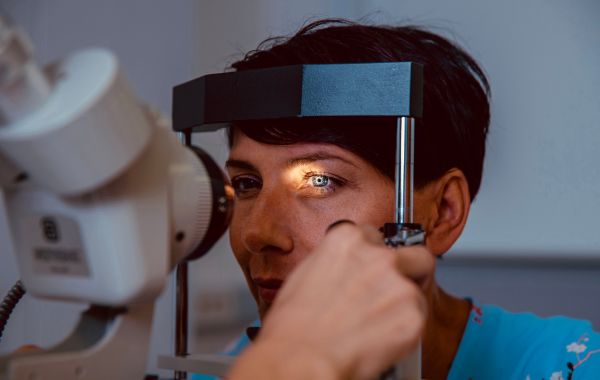
If you report sudden flashes or floaters, one of our retina specialists will likely give you a dilated eye exam. Dilating your pupils gives a much clearer view of the retina, including the outer edges where tears tend to form.
Depending on what the exam shows, the doctor may also use imaging. One common test is called optical coherence tomography, or OCT. It uses light waves to create detailed pictures of the inside of your eye. The tests you need depend on your symptoms and what the doctor sees during the exam.
Why It Is Worth Getting Checked Early
Retinal tears often cause little or no pain. That makes it tempting to brush off a small flash and hope it goes away. Sometimes it does. But if the flash comes from the vitreous pulling on the retina, waiting gives a tear more time to get worse.
Catching a tear early usually means simpler treatment, often just a quick laser procedure to seal it. A retinal detachment, on the other hand, usually needs surgery. That difference is why sudden symptoms deserve a real exam instead of a guess.
Protecting Your Eyes Going Forward
You cannot prevent every cause of flashes, since age-related changes in the vitreous are a normal part of getting older. But a few habits can lower your risk. Wear proper eye protection during sports or work where something could hit your eye. Keep up with regular eye exams, especially if you have any of the risk factors above. If you have diabetes, keep your blood sugar in check and stay on schedule with your eye exams too, since diabetic retinopathy can also affect the retina over time.
When Your Vision Changes, Listen to It
Seeing a flash of light does not always mean something is wrong with your retina. Often it is just a normal part of aging. But sudden flashes deserve attention, especially with new floaters, a dark shadow, blurry vision, or lost side vision. Retinal tears and detachments can get worse quickly, and they rarely cause pain along the way.
If you have noticed new flashes or any of the warning signs above, getting your eyes checked is a much safer choice than waiting to see what happens. The team at Retina and Vitreous Surgeons of Utah sees these symptoms often and can tell you quickly if you need treatment. Contact RVSU to schedule an exam.