
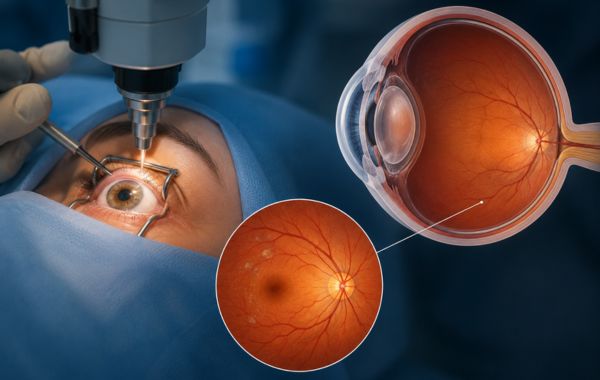
Cataract surgery is one of the most common and successful medical procedures in the world today. Every year, millions of people undergo this quick operation to clear up their blurry vision. The process is straightforward: an eye surgeon removes the cloudy, natural lens inside your eye and replaces it with a clear, artificial one. Most people notice clearer vision once their eyes have healed. Colors look brighter, street signs become clear again, and reading becomes easy.
However, even though cataract surgery takes place in the front part of the eye, it can sometimes cause changes or complications in the back part of the eye. The very back of your eye holds a vital tissue layer called the retina. Even though the surgery is done at the front of the eye, healing changes can sometimes affect the retina at the back. If you are planning to have surgery, or if you just had it, you might wonder how it affects your whole eye. Can cataract surgery affect the retina? What are the specific post-operative risks you should look out for? Understanding these risks does not mean you should fear the surgery. Instead, knowing what to look for helps you protect your sight and ensures you get the right care if a problem comes up.
How the Retina Works
To understand how cataract surgery can affect the retina, it helps to look at how the eye works. A simple way to understand how the eye works is to compare its parts to a camera.
- The Lens: This is located at the front of the eye. It acts exactly like a camera lens, focusing incoming light. When you get a cataract, this lens becomes cloudy, like a dirty or fogged-up piece of glass.
- The Retina: This is a thin, light-sensitive layer of nerve tissue lining the back wall of the eye. It acts like the camera film or the digital sensor. The retina catches the light and turns it into signals. It sends these signals through the main eye nerve to your brain, which turns them into the pictures you see.
During cataract surgery, the doctor works entirely on the front lens. They do not touch the retina. However, the eye is filled with a clear, jelly-like substance called vitreous humor. This gel sits right between the front lens and the back retina, touching both sides. Because this gel spans the entire inside of your eye, any movement, pressure change, or inflammation in the front section can travel through the gel and affect the retina at the back.
Retinal Changes After Surgery
Cataract surgery is highly advanced, often taking less than twenty minutes. The surgeon makes a tiny incision, uses ultrasound waves to break up the cloudy lens, vacuums out the pieces, and slides in the new artificial lens.
Cataract surgery is quick and gentle, but it still sets off the body’s normal healing process. The eye goes through a few temporary changes during this time:
- Pressure Shifts: Removing the old lens and placing a new one changes the fluid pressure inside the eye for a brief time.
- Inflammation: Any surgical path creates mild inflammation. The body naturally sends healing cells to the eye, which can cause slight swelling. This swelling can sometimes travel through the eye gel to the back of the eye.
- Vitreous Movement: When the old lens is removed, the vitreous gel has a little more room to shift forward. As the gel moves, it can pull gently on the retina where it is attached.
For most patients, the retina handles these minor changes perfectly fine. But for some, these shifts can lead to specific retinal conditions that need medical attention.
Retinal Risks After Surgery
While complications are rare, certain retinal conditions can develop weeks or months after an otherwise perfect cataract surgery.
1. Cystoid Macular Edema (CME)
Cystoid Macular Edema, often called CME, is the most common retinal issue that happens after cataract surgery. The macula is the very center part of your retina. It gives you your sharpest, straight-ahead vision. This is the eyesight you use to read, see faces, and drive.
Sometimes, the normal inflammation from cataract surgery causes the tiny blood vessels in the retina to leak fluid. This fluid collects in the macula, creating small, pocket-like blisters or swelling.
- When it happens: CME usually does not show up right away. It typically peaks between four to six weeks after your surgery.
- What it feels like: You might notice that your vision was excellent right after surgery, but a few weeks later, it starts getting wavy, blurry, or dim. Colors might look washed out, and reading fine print might suddenly become difficult again.
- The Treatment: Most cases of CME are mild and respond very well to anti-inflammatory eye drops.
2. Retinal Tears & Detachment
As mentioned earlier, removing the natural lens gives the vitreous gel inside your eye more room to move. As the gel shifts and settles into its new space, it can tug on the retina.
If the gel pulls too hard on a spot where it is tightly attached, it can tear the tissue. If a retinal tear happens, the liquid fluid inside the eye can seep through the hole and lift the retina off the back wall of the eye. This is called a retinal detachment. A detached retina loses its blood supply. If it is not fixed fast, it can cause permanent vision loss.
- When it happens: This can happen during the weeks or months following surgery.
- What it feels like: The classic warning signs are sudden flashes of light, a shower of new spots or floaters in your vision, or a dark shadow or curtain pulling across your side vision.
- The Treatment: Retinal tears can often be fixed easily in an office setting using a quick laser treatment to seal the edges. If the retina completely detaches, a retina specialist can perform surgery to put it back in place.
3. Diabetic Retinopathy Risks
If you have diabetes, you may already know that high blood sugar can damage the delicate blood vessels in your retina. This condition is called diabetic retinopathy.
Cataract surgery can sometimes cause pre-existing diabetic retinopathy to progress or worsen faster. The natural inflammation from the surgery can trigger these already weak blood vessels to bleed or leak fluid more aggressively, leading to vision loss.
4. Macular Degeneration
Age-Related Macular Degeneration (AMD) is a condition that breaks down the central part of the retina over time. While cataract surgery does not directly cause AMD to get worse, the temporary swelling from surgery can make it harder for a patient with AMD to recover their vision quickly. It is very important to have your retina thoroughly checked before cataract surgery so your doctors can set realistic expectations for your post-op vision.
Who Faces a Higher Risk?
Not everyone has the same level of risk for retinal problems after cataract surgery. Certain factors make the retina more vulnerable to the physical changes of the procedure. You might face a higher risk if you have:
- Severe Nearsightedness: People with very long eyeballs have retinas that are stretched thin and fragile. This makes them more likely to tear when the eye gel moves.
- A History of Retinal Issues: If you have had a retinal tear or detachment in either eye in the past, your risk is elevated.
- Diabetes: Even if you do not have active diabetic retinopathy, having diabetes increases your chances of developing macular swelling (CME) after surgery.
- Surgical Complications: If the cataract surgery was unusually long or if the thin capsule holding the lens tore during the operation, the risk of retinal issues goes up.
Warning Signs: When to Get Help Fast
Recognizing these symptoms early can help protect your vision. If you experience any of the following symptoms after your cataract surgery, you should contact an eye care professional or a specialized team like Retina Associates of Utah immediately:
| Symptom | What It Might Mean | Urgency Level |
|---|---|---|
| A sudden burst of flashes of light | The vitreous gel is actively pulling on your retina. | High – Call right away. |
| A sudden cloud or shower of new floaters | A blood vessel or tissue may have torn. | High – Call right away. |
| A dark shadow or curtain blocking your vision | Your retina may be detaching from the back of the eye. | Emergency – Seek immediate care. |
| Slowly blurring vision weeks after surgery | Fluid may be building up in your macula (CME). | Moderate – Schedule an exam. |
How Retinal Risks are Tracked and Treated
Eye doctors have the tools and experience to catch and treat these problems. Before your cataract surgery, a doctor will often look closely at the back of your eye to ensure your retina is healthy enough for the procedure. If you have a high-risk condition like diabetes, they might use a special imaging tool called an Optical Coherence Tomography (OCT) scan. This painless test takes detailed pictures of your retina. It lets doctors see tiny layers of fluid before you even notice a change in your sight.
If you develop swelling (CME) after surgery, treatment usually starts with specialized prescription eye drops that reduce inflammation. If the drops do not completely solve the problem, a retina specialist can deliver medication directly to the eye through a quick, painless injection to calm the inflammation and dry up the fluid.
For tears or detachments, surgical procedures like laser therapy or a vitrectomy (removing the pulling gel) can securely fix the retina back to the wall of the eye.
Conclusion
Cataract surgery is a life-changing procedure that restores independence and brings the world back into sharp focus. While it is crucial to understand how changes in the front of the eye can occasionally impact the retina at the back, serious complications remain rare, and the vast majority of patients heal beautifully without issue. The most effective way to safeguard your sight is to stay proactive, follow your post-operative eye drop schedule exactly as directed, attend all follow-up appointments, and monitor your vision closely as it settles.
If you have pre-existing risk factors like diabetes or severe nearsightedness, or if you are currently experiencing post-op warning signs like sudden flashes, new floaters, or wavy vision, timing is everything. We invite you to contact us today at Retina Associates of Utah to schedule a comprehensive evaluation with our specialized team. Whether you need a pre-surgery retinal screening or expert treatment for post-operative changes, our team can evaluate your retina and recommend the care you need to support long-term eye health.