
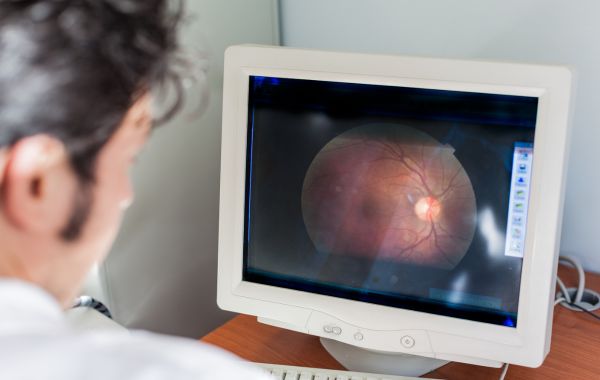
Most people know that smoking harms the lungs and the heart. Yet, many do not realize that cigarettes can also cause severe vision loss. Smoking directly damages your retina, which is the light-sensitive layer of tissue at the back of your eye.
When you inhale cigarette smoke, harmful chemicals travel through your bloodstream and alter your ocular health (the health of your eyes). This damage increases your risk for serious conditions like age-related macular degeneration (AMD) and diabetic retinopathy.
Quitting smoking can significantly reduce the risk of further retinal damage. Your body begins to heal the moment you stop.
What Is the Retina and Why Does It Matter?
The retina acts like the film inside a camera. It captures the light that enters your eye and turns it into electrical signals. These signals are sent to the brain, where they are processed into visual images.
A small, central area of the retina called the macula provides your sharpest, most detailed central vision. You rely on the macula to read small print, recognize faces, drive a vehicle, and see fine details clearly.
The retina contains millions of tiny nerve cells and relies on a constant, healthy supply of oxygen and nutrients. A dense network of microscopic blood vessels delivers this blood supply. Because these vessels are so delicate, they are highly sensitive to the toxins found in tobacco smoke.
How Cigarette Smoke Damages Your Eyes
Cigarette smoke contains thousands of toxic chemicals, including nicotine, carbon monoxide, and heavy metals like arsenic and lead. These poisons harm your retinal tissue through two main processes:
1. Oxidative Stress and Free Radicals
Cigarette smoke fills your body with unstable molecules called free radicals. These molecules damage healthy eye cells and cause oxidative stress (a type of cellular wear and tear).
- Cellular Damage: Free radicals attack healthy proteins and lipids inside your eyes.
- Photoreceptor Loss: Over time, this constant stress destroys the delicate light-sensing cells in your retina.
- Lower Antioxidant Protection: Smoking lowers the levels of protective antioxidants in your body, leaving your eyes more vulnerable to damage.
2. Reduced Blood Flow and Vascular Damage
Your retina relies on a steady flow of clean, oxygen-rich blood. Smoking chokes off this supply in multiple ways:
- Narrowed Blood Vessels: Nicotine causes your blood vessels to constrict (narrow), which restricts blood flow throughout your entire body, including your eyes.
- Reduced Oxygen Supply: Carbon monoxide reduces the amount of oxygen your red blood cells can carry. This starves your retinal tissue of vital nutrients.
- Blood Vessel Blockages: Smoking increases fatty deposits in your arteries and thickens your blood. This makes dangerous blood clots and eye strokes much more likely to occur.
Major Retina Diseases Linked to Smoking
Smoking is a primary risk factor for several eye conditions that can lead to permanent vision loss or complete blindness.
Age-Related Macular Degeneration (AMD)
AMD is the leading cause of blindness in people over the age of 50. This disease breaks down the macula, leaving you without your clear, straight-ahead vision.
Medical research shows that smokers are three to four times more likely to develop AMD than non-smokers. If you smoke, you are also likely to develop the disease up to ten years earlier than average.
AMD occurs in two forms:
- Dry AMD: The tissue of the macula thins out over time, and small yellow deposits called drusen build up. This causes your central vision to become blurry or faded.
- Wet AMD: Fragile, abnormal blood vessels grow underneath the retina. These weak vessels can leak blood and fluid, causing sudden and severe vision distortion or a permanent blind spot in your center of vision.
Diabetic Retinopathy
If you live with diabetes, smoking raises your risk of developing diabetic retinopathy. High blood sugar already weakens the retinal blood vessels. When you mix diabetes with the chemicals from smoking, the damage accelerates. The blood vessels in the eye may swell, leak fluid, or close off completely, cutting off the blood supply to the retina.
Retinal Vein Occlusion (RVO)
A retinal vein occlusion occurs when a blood clot blocks a main vein in your retina. Doctors often call this an eye stroke. Smoking thickens your blood and damages the lining of your blood vessels, making clots much more likely to form. An RVO can cause sudden, painless vision loss in one eye.
Why It Is Never Too Late to Quit Smoking
Many long-term smokers feel that the damage is already done, so there is no point in quitting. This is a myth. Your eyes possess an incredible ability to recover, and quitting smoking always helps preserve your remaining sight.
When you stop smoking, your body begins to repair itself almost immediately:
- Within 20 minutes: Your heart rate and blood pressure drop to healthier levels.
- Within 12 hours: The carbon monoxide levels in your blood return to normal, allowing more oxygen to reach your retinal tissue.
- Within a few weeks: Your blood circulation improves, lowering the risk of blood clots and eye strokes.
- Over time: The risk of developing AMD or worsening diabetic retinopathy decreases steadily. After 10 to 15 years of remaining smoke-free, your risk of developing macular degeneration drops to a level that is nearly identical to someone who has never smoked.
Quitting smoking cannot reverse permanent scarring on the retina, but it can stop the disease from progressing and save the vision you still have.
Tips to Quit Smoking
Quitting tobacco is a journey that requires patience, strategy, and support. A structured approach can make it easier to manage cravings and stay smoke-free.
- Identify Your Triggers: Notice when you feel the strongest urge to smoke. Common triggers include stress, social gatherings, driving, or drinking coffee. Once you know your triggers, change your routine to avoid them.
- Use Nicotine Replacement Therapy (NRT): Over-the-counter options like nicotine patches, gums, and lozenges can ease withdrawal symptoms. Talk to your healthcare provider about prescription medications that can help reduce cravings.
- Build a Support System: Tell your friends, family, and coworkers about your goal. Their encouragement can keep you accountable during difficult moments.
- Find New Ways to Manage Stress: Many people smoke to handle anxiety. Try replacing cigarettes with healthier habits, such as regular exercise, deep breathing techniques, or a new hobby that keeps your hands busy.
- Clean Your Living Space: Throw away ashtrays, lighters, and any leftover cigarettes. Wash your clothes and drapes to remove the smell of smoke from your home.
Conclusion
While the links between smoking and heart or lung disease are well-known, its devastating impact on your eyesight is often overlooked. Tobacco smoke places your vision at constant risk by accelerating macular degeneration and starving the retina of vital oxygen. Fortunately, your eyes possess a remarkable ability to recover; the moment you quit, blood circulation improves and the ongoing risks to your delicate retinal tissue steadily decrease.
Pairing your commitment to quit with specialized medical care is your ultimate defense against permanent vision loss. Because early retinal damage often develops without warning, scheduling routine dilated eye exams is essential to catching and treating conditions like AMD or diabetic retinopathy early. The expert team at Utah Retina is dedicated to preserving your independence and protecting your eyesight.. Contact Utah Retina today to schedule your comprehensive evaluation and ensure your eyes stay healthy for a lifetime.