
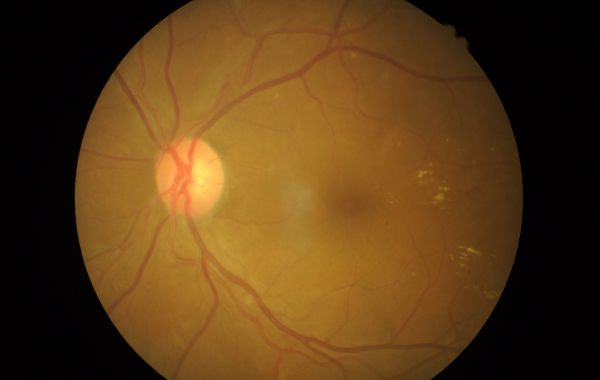
There are times when changes in your vision can be confusing. Some people notice little specks floating around in their vision, or flashes of light, or a shadow blocking some of their vision. While most changes in vision aren’t anything to worry about, they may be symptoms of a dangerous eye disease known as retinal detachment.
Early detection of retinal detachment is critical since this disease can result in permanent blindness if left untreated. Retinal detachment does not have to cause pain; as such, it is quite hard to know the seriousness of the problem.
But what does retinal detachment look like? What are the visual issues to keep an eye out for and what is the ideal time to visit a retina specialist?
This section will discuss some of the common symptoms of retinal detachment, the causes, diagnosis and treatment. Whenever you have any new flashes, numerous floaters, a shadow in your vision or even lose some of your sight, you must go see an ophthalmologist.
What is Retinal Detachment?
Retina is the light sensitive inner lining present in the posterior portion of the eye. It processes the image formed by the entering light rays and sends signals to the brain to help us see different shapes, colors and movements.
In case of retinal detachment, the retina detaches itself from the underlying tissue which supplies nutrients and oxygen to the retina.Once this happens, the retina cannot function and the affected part can suffer permanent damage.
Retinal detachment may involve one eye or, occasionally, both eyes but not simultaneously. This condition can be brought about by changes in the eye, a retinal tear, trauma to the eye, or some other medical issues.
The following are the three major kinds of retinal detachment:
- Rhegmatogenous retinal detachment: Most common form. There is a tear or hole in the retina which allows fluids to gather behind the retina, causing the retina to separate from the underlying tissue.
- Tractional retinal detachment: Scarring of the retina causes it to contract and pull away from its usual position. This type of retinal detachment may happen in advanced diabetic eye disease.
- Exudative Retinal Detachment: Fluid accumulation beneath the retina happens without a tear in the retina. Inflammation and vascular diseases can also cause such a case of retinal detachment.
It is important that a correct diagnosis be made on all these cases to know the cause and treatment measures.
What Do Retinal Detachment Symptoms Look Like?
However, there are various symptoms associated with retinal detachment. While some might have spots as a symptom, others may be having flash light, blurred vision, and shadows.
These symptoms can occur either abruptly or during the course of the disease development. They are not painful and hence hard to identify.
1. Darkness or Shadows in Your Field of Vision
One of the most distressing signs of retinal detachment is a shadow that appears in your visual field, either on the left side or right side.This looks as though you have a veil or curtain pulling over your vision. It can begin at the outer edges and gradually spread to cover your entire field of vision. It means that you will be unable to see something clearly in one of the areas.It occurs because the detached part of your retina is not functioning anymore.
Curtain-like shadows should not be a symptom observed at home since there is nothing to improve about them. Seek medical help right away in case you start seeing a dark curtain or shadow in your vision. This might help you prevent losing your vision even more.
2. Flash Lights
Flash lights may appear in the form of bright streaks, lighting or firework sparks, and as flickering lights in your peripheral vision. At times, it may become easier to detect flash lights in darkness or by moving your eyes. The occurrence of flashes of light occurs due to the movement of the vitreous body, which is a gel-like substance inside your eye. With age, the vitreous body becomes detached from the retina causing sometimes tearing of the retina.
However, the presence of light flashes does not necessarily indicate the detachment of the retina. It is still necessary to consult an ophthalmologist. In case the flashes of lights are accompanied by floaters, a shadow, or blurring of vision, you need to get urgent medical help since these symptoms might be caused by retinal problems.
3. A Sudden Appearance of Eye Floaters
Eye floaters can be defined as spots that are perceived to move in the visual field. Eye floaters can come in forms such as specks, strings, clouds, or cobwebs. It is easier to see eye floaters when looking at a bright wall or sky. A few static floaters are normal especially among older people. On the other hand, the sudden appearance of floaters should cause more worry.
This is because you will have numerous floaters at once or perceive a shower of black dots suddenly. The sudden appearance of floaters occurs when the vitreous fluid affects the retina by pulling, creating a hole, or causing internal bleeding in the eye. A sudden appearance of floaters calls for immediate attention regardless of the clearness of your vision.
4. Blurred or Distorted Vision
Detached retina is likely to lead to blurring or distortion of vision. Straight lines may look wavy, or the vision may distort the image. This depends on where and how big the detachment is. If the macula, which is the center of the retina that is in charge of sharpness of vision, gets affected, there is going to be a definite drop in central vision.
Blurring of the vision can occur due to many reasons, such as refractive error or cataract, among others. But when this symptom occurs suddenly accompanied by flashes, floaters, or shadow, it is a sign of danger.
5. Loss of Side Vision
Peripheral vision aids in the detection of objects and movement around the central field of vision. In circumstances whereby there is retinal detachment occurring at the edges of the retina, the loss of peripheral vision will be noticed.
In this case, you will experience problems seeing things that are moving from the side direction. You will have an impression that there is something missing in your visual field. There could also be dimming of light or presence of shadows. This is because the central part of the vision remains relatively intact in the early stages of this disease. If you have problems with your visual field that you never had before, then visit a doctor for examination.
Can You Have a Detached Retina Without Symptoms?
However, a retinal detachment usually results in visible changes to a patient’s vision; although this may happen gradually. Some individuals may first notice changes in their vision only by observing a few floaters or occasional flickering.It is possible for someone to experience a retinal tear prior to a full retinal detachment. In this case, the patient will still have good central vision, however, the fluid will start flowing underneath the retina because of the tear.
That is why it is crucial to pay attention to all of the changes that might occur to your vision regardless of their severity or absence of discomfort. This way, a dilation of the retinal examination will help to detect any potential problems. Moreover, regular eye examinations are important for individuals with a predisposition to retinal detachment. Nevertheless, a regular check-up should not be a substitute for immediate treatment if symptoms begin to occur.
What Causes Retinal Detachment?
There are certain things that could make you at risk for a detached retina. Knowing about them can help you be more aware of what might happen with your eyes.
Changes to the Vitreous Due to Aging
The vitreous is the jelly substance in your eye. It becomes smaller and detaches from the retina as we grow older. The condition is known as posterior vitreous detachment. This happens to many individuals and does not mean there will be any issues. But in some cases, the act of separation may cause the retina to tear, and the fluid could pass through and make the retina detach.
Retinal Tear or Previous Retinal Detachment
A retinal tear results in a hole that develops in the retina through which the fluid passes to cause retinal detachment. Individuals who have had previous retinal tears and detachments are at a higher risk of having other retinal diseases. Regular checkups are advised.
Severe Nearsightedness
People with high myopia will have some structural differences in their eyes, which make them more susceptible to retinal tears or detachment. For those who have high myopia, it is important to talk to an eye specialist about how frequently you should visit them and what symptoms require immediate attention.
Injuries or Eye Traumas
An injury to the eye area or head might cause retinal damage. A retinal issue could develop immediately or sometime in the future after the damage to the eye. If these signs appear following a trauma to your eye, such as seeing spots, flashing lights, blurred vision or a shadow, visit your doctor.
Previous Eye Surgery
Certain eye surgeries might increase the chances of developing retinal detachment. The level of risk will depend on a number of factors, including your eye condition and medical history.In case you have had eye surgery and have suddenly experienced changes in vision, consult an ophthalmologist right away.
Diabetes and Other Retinal Diseases
Tractional retinal detachment may occur as a result of the development of scar tissue that pulls on the retina in advanced cases of diabetic retinopathy.Individuals with diabetes must undergo their recommended retinal tests, regardless of their good eyesight.
Other risk factors include family history of retinal detachment and retinal diseases.
How Is Retinal Detachment Diagnosed?
In case you have symptoms indicating retinal detachment, your retina specialist will examine your eyes to find out what’s going on and if treatment is required.
Dilated Eye Exam
Your doctor can administer eye drops to give him/her a closer view of the different structures in your eye, especially your retina, which includes the peripheral region of your retina. After that, the retinal specialist will examine your retina for any tears, holes, fluid accumulation under the retina, and retinal tissue detachment from the underlying tissue.
Retinal Imaging
Depending on your symptoms and results of your examination, the specialist might need to do imaging of your retina and other eye structures. For example, optical coherence tomography (OCT) can create cross-sectional images of your retina layers. It helps in examining the macula and some other retinal conditions.
Other imaging tests can also be done when necessary.
Ultrasound Examination
However, when there is no clear picture of the retina because of problems such as bleeding in the eyes, an ultrasound scan would give a view of the back part of the eye.
Depending on the symptoms and physical findings, the examinations that will be ordered to you might differ. Retinal detachment should be detected as soon as possible.
What Action Should You Take If You See the Symptoms of Retinal Detachment?
The key thing is to be aware of what action you must take when seeing certain symptoms.
In case of experiencing the signs such as flashing lights, significant increase of floaters, curtain effect, or vision loss, you need to see an eye doctor immediately. In case you cannot reach an eye doctor immediately, you must see a retinal doctor or go to the ER.Do not wait for your regular checkup and do not expect the symptoms to go away on their own.Retinal detachment may develop and delay may result in irreversible vision loss.
When making a call to the clinic, you should mention when symptoms appeared, in which eye they appeared and whether there is a vision change. In case of any changes in vision, you should have someone else drive you.There is no need to use online checks to find out whether your retina is detached.
How is Retinal Detachment Managed?
The type of treatment will be based on the kind of retinal problem, its location, size, and severity. The main goal will be to attach the retina and repair tears where there are any. In addition, the treatment should maintain vision.
Laser Therapy or Cryopexy
In the event that there is a tear on the retina prior to the onset of severe detachment, the eye specialist will advise a patient of laser therapy or cryopexy to create a border around the tear. Not all patients with retinal detachment can receive these procedures. The specialist will determine the most suitable one after examining the patient.
Pneumatic Retinopexy
Pneumatic retinopexy is the procedure that includes the placement of a gas bubble in the eye to move the detached retina to its proper position. Afterward, the specialist applies laser or freezing treatment to treat the retinal tear.
This procedure suits some selected patients only. The patient has to keep a certain head position during the recovery period.
Scleral Buckle Surgery
During scleral buckle procedure, a small band is inserted into the eye to push the wall of the eye against the retina. It helps to decrease the pulling pressure and helps the retina reattach.
It may be suggested in cases where retinal detachment occurs.
Vitrectomy
In the procedure of vitrectomy, the vitreous gel present within the eye is removed in order to treat the retina. A bubble of gas or silicone oil may be placed in the eye to hold the retina in place until it heals. It depends upon the patient’s condition which treatment will be suitable.
| Treatment | How It Works | Key Details |
|---|---|---|
| Laser Therapy or Cryopexy | Creates a border around a retinal tear. | Used for tears before severe detachment; not suitable for all patients. |
| Pneumatic Retinopexy | A gas bubble moves the detached retina back into position, then laser or freezing treats the tear. | Suits selected patients only; requires a certain head position during recovery. |
| Scleral Buckle Surgery | A small band is placed to push the eye wall against the retina. | Reduces pulling pressure and helps the retina reattach. |
| Vitrectomy | The vitreous gel is removed to treat the retina; a gas bubble or silicone oil holds the retina in place while it heals. | The choice depends on the patient’s condition. |
Can Retinal Detachment Cause Permanent Vision Loss?
Yes, retinal detachment may lead to blindness if it is left untreated. The retina needs to have an uninterrupted supply of oxygen and nutrients for its effective working. In case of detachment from the underlying tissues, retinal cells can be damaged. The likelihood of irreversible vision impairment varies depending on multiple criteria: the size and location of the detachment, duration, and involvement of macula in the process.
The primary objective of treatment is to reattach the retina and prevent the worsening of the condition. Nevertheless, the surgical procedure does not mean the full restoration of vision to its previous state. This is the reason for early diagnosis and treatment of the condition to be so vital. Even in cases when you do not notice any changes in your vision, an increased number of floaters or flashes should require immediate attention.
When Do You Need to Visit a Retina Specialist in Utah?
Eye emergencies are indicated by the appearance of new eye complaints, including a curtain-like shadow on vision, vision loss, sudden floaters and flashes. You will be having either retinal tear or retinal detachment and must seek medical help immediately. Retina Specialist is an expert in diagnosing and treating disorders of the retina, macula, and vitreous. He/she can perform a detailed examination of your retina and give appropriate treatment.
Vitreous and Retina Surgeons of Utah specializes in providing treatment for retinal problems, including retinal detachment. They have facilities in Murray, Draper, Provo, and Payson. In case you have warning symptoms, you should consult an eye care specialist right away, instead of waiting until your scheduled appointment.