
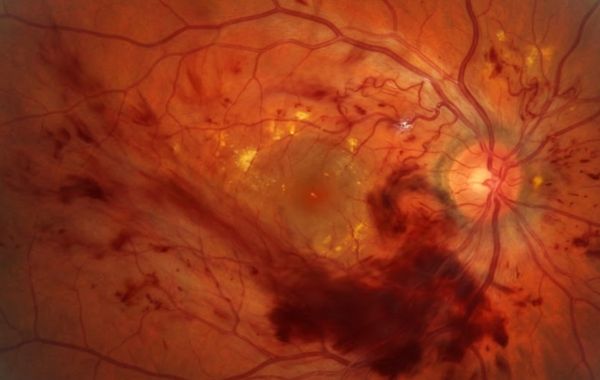
Seeing blood in or around your eye can be worrying. Sometimes, the bleeding may look like a small red patch on the white part of the eye. In other cases, blood can collect deeper inside the eye and affect your vision.
Bleeding inside the eye can have many causes. Some are minor and may clear on their own, while others can be linked to problems with the retina and may need medical treatment.
The retina is a thin layer at the back of the eye that helps you see. When blood vessels in or around the retina become damaged, weak, or blocked, bleeding can occur. This may lead to blurry vision, dark spots, floaters, or sudden changes in sight.
Understanding the possible causes can help you know when it is time to see an eye specialist.
What Does Bleeding in the Eye Mean?
Bleeding in the eye happens when a blood vessel breaks or leaks blood into an area where it should not be.
The location of the bleeding matters. A small broken blood vessel on the surface of the eye may look alarming but often does not affect vision. Bleeding deeper inside the eye can be more serious because it may block light from reaching the retina or may be a sign of an underlying retinal condition.
Blood can collect in different parts of the eye. One common type of deeper bleeding is called a vitreous hemorrhage. This happens when blood enters the vitreous, the clear, gel-like substance inside the eye.
Common Causes of Bleeding in the Eye
Several retinal conditions can cause bleeding. Some develop slowly, while others may cause sudden changes in vision.
1. Diabetic Retinopathy
Diabetic retinopathy is one of the common causes of bleeding inside the eye.
High blood sugar can damage the small blood vessels that supply the retina. Over time, these vessels may become weak and leak fluid or blood.
In more advanced cases, the retina may grow new blood vessels. These new vessels are fragile and can break easily. When they bleed into the vitreous, you may notice many new floaters, dark spots, or a sudden loss of vision.
Regular eye exams are important for people with diabetes because retinal changes may begin before noticeable vision problems appear.
2. Retinal Vein Occlusion
A retinal vein occlusion occurs when a vein that carries blood away from the retina becomes blocked.
The blockage can cause blood and fluid to build up in the retina. This may lead to swelling, bleeding, and changes in vision.
Some people may notice blurry or reduced vision in one eye. The amount of vision loss can depend on which blood vessel is affected and how much of the retina is involved.
Treatment may include eye injections, laser treatment, or other care based on the condition of the retina.
3. Retinal Tears
A retinal tear happens when the retina develops a small break.
As the vitreous gel changes with age, it can pull on the retina. In some cases, this pulling can cause a tear. A damaged blood vessel near the tear may bleed into the eye.
A retinal tear may cause sudden flashes of light or a sudden increase in floaters. These symptoms should not be ignored because a retinal tear can sometimes lead to a retinal detachment.
Early treatment can help reduce the risk of the tear becoming a larger problem.
4. Retinal Detachment
A retinal detachment occurs when the retina pulls away from its normal position at the back of the eye.
A retinal tear may allow fluid to move underneath the retina, causing it to detach. Bleeding can sometimes occur, especially when blood vessels are damaged.
Possible warning signs include flashes, many new floaters, a dark curtain or shadow across your vision, or sudden vision changes.
A retinal detachment is an eye emergency. Prompt medical care is important to protect as much vision as possible.
5. Wet Age-Related Macular Degeneration
Wet age-related macular degeneration, also called wet AMD, can cause abnormal blood vessels to grow beneath or near the macula.
These vessels are weak and can leak blood and fluid. Because the macula is responsible for sharp central vision, bleeding in this area can affect activities such as reading, driving, or recognizing faces.
People with wet AMD may notice blurry or distorted central vision. Straight lines may appear wavy, or a dark area may appear in the center of vision.
Treatment can help control the abnormal blood vessels and reduce further damage.
6. Eye Injury
An injury to the eye can also cause bleeding.
A strong hit, accident, or other trauma may damage blood vessels inside the eye. Depending on the injury, blood may collect in the front part of the eye, vitreous, or other areas.
Any significant eye injury should be checked by an eye doctor, especially if it is followed by pain, blurry vision, flashes, floaters, or loss of vision.
7. Posterior Vitreous Detachment
Posterior vitreous detachment occurs when the vitreous gel pulls away from the retina.
This becomes more common as people get older. In many cases, it does not cause serious problems. However, the pulling force can sometimes damage a small blood vessel or cause a retinal tear.
New floaters or flashes after a vitreous change should be checked promptly. An eye exam can help determine whether a retinal tear or other problem is present.
What Symptoms Can Happen With Eye Bleeding?
The symptoms can vary depending on where the bleeding occurs and how much blood is present.
You may notice:
- New or sudden floaters
- Flashes of light
- Blurry vision
- Dark spots in your vision
- A shadow or curtain over part of your vision
- Reduced vision
- Distorted central vision
- Sudden changes in one eye
Some people may have bleeding without pain. This is why sudden vision changes should not be ignored, even when the eye does not hurt.
Different Types of Eye Bleeding
Not all eye bleeding is the same. The location can help doctors understand the possible cause.
| Type of Bleeding | Where It Happens | Possible Causes |
|---|---|---|
| Subconjunctival bleeding | On the white surface of the eye | Minor injury, coughing, straining, blood pressure changes |
| Hyphema | Front part of the eye | Injury, surgery, certain eye conditions |
| Vitreous hemorrhage | Inside the vitreous gel | Diabetic retinopathy, retinal tear, retinal vein problems |
| Retinal bleeding | In or around the retina | Diabetes, vein blockage, AMD, high blood pressure |
| Macular bleeding | Near the center of the retina | Wet AMD and other retinal blood vessel problems |
When Should You See a Retina Specialist?
Not every red eye is caused by a retinal problem. However, certain symptoms need quick attention.
You should seek prompt eye care if you suddenly develop:
- Many new floaters
- Flashes of light
- A sudden dark shadow
- A curtain-like area in your vision
- Sudden blurry or reduced vision
- Vision loss after an eye injury
- New vision changes if you have diabetes or a known retinal condition
These symptoms can sometimes be linked to a retinal tear, retinal detachment, bleeding, or another condition that needs treatment.
How Is Bleeding in the Eye Diagnosed?
A retina specialist will examine the inside of your eye to find the source of the bleeding.
Your doctor may use special eye drops to widen your pupils. A detailed retinal exam can then help identify damaged blood vessels, retinal tears, swelling, or other changes.
An OCT scan may also be used to create detailed images of the retina. In some cases, an ultrasound of the eye can help doctors see the retina when blood inside the eye makes it difficult to view directly.
The tests used will depend on your symptoms and what your doctor finds during the examination.
How Is Eye Bleeding Treated?
Treatment depends on the cause, location, and amount of bleeding.
Some mild cases may only need close monitoring. Other conditions may need active treatment.
Possible treatments include:
- Eye injections: These may be used for conditions such as wet AMD, diabetic macular edema, and some retinal vein problems.
- Laser treatment: Laser therapy may be used to treat certain leaking or abnormal blood vessels.
- Retinal surgery: Surgery may be needed for retinal detachment, some retinal tears, or severe bleeding that does not clear.
- Treatment of the underlying condition: Managing diabetes, blood pressure, or other health problems can also be an important part of care.
Your retina specialist will choose treatment based on the reason for the bleeding and the condition of your eye.
Can Eye Bleeding Be Prevented?
Not every case of eye bleeding can be prevented, but some steps can lower your risk of retinal problems.
If you have diabetes, keeping your blood sugar under control and attending regular eye exams can help protect your retina. Managing blood pressure and other health conditions is also important.
Protective eyewear can help reduce the risk of eye injuries during sports, work, or activities where something could hit the eye.
Most importantly, do not ignore sudden changes in your vision. Early diagnosis can make a difference when a retinal condition is present.
Final Thoughts
Bleeding in the eye can have different causes. A small blood spot on the surface of the eye may not affect your vision, but bleeding deeper inside the eye can be linked to retinal conditions such as diabetic retinopathy, retinal vein occlusion, retinal tears, wet AMD, or retinal detachment.
If you experience sudden floaters, flashes of light, dark spots, a curtain-like shadow, or sudden changes in vision, it is important to seek eye care promptly. The team at Retina and Vitreous Surgeons of Utah (RVSU) can examine your eyes, identify the possible cause, and discuss suitable treatment options. Contact RVSU today to schedule an appointment and get expert retinal care.