
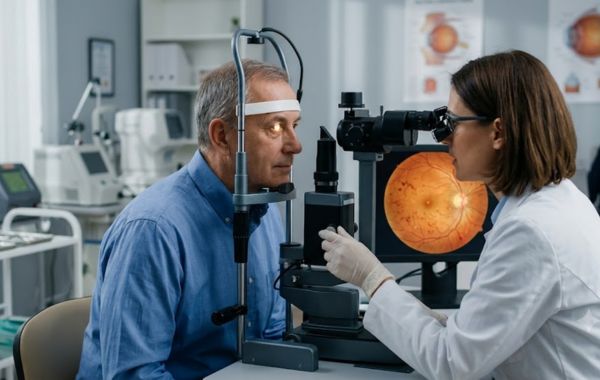
Diabetes is not only about managing the blood glucose levels but also involves affecting your eyes owing to the destruction that occurs in the small blood vessels found within your retina. Diabetic retinopathy is what this disease entails. In case it develops further, then there will be complications like blurry vision and even loss of vision.
One of the first questions a patient may want to know when he/she is diagnosed with this disease is the cost of treating this disease. The overall cost of the disease is dependent on several factors like the level of development of the disease, type of treatment, number of visits and whether you have insurance or not.
There are people that require frequent eye checks while others require eye injections, laser treatments or surgery. These treatments have varying costs depending on the number of procedures required.
What Is the Average Diabetic Retinopathy Treatment Cost?
The costs for treating diabetic retinopathy vary. Treatment of early stages may simply require constant check-ups, whereas the treatment of more developed forms might consist of multiple treatments.
Taking the USA as an example, the average costs of the treatment of diabetic retinopathy with laser have been estimated by consumers at roughly 744-2,396. The costs of anti-VEGF medication treatment have been reported by consumers at between approximately $50 and $2,000 per single use of the drug.
These numbers represent approximate costs only; the exact cost of your procedure cannot be provided in advance since it varies greatly depending on the facility and other factors.
| Treatment or Service | General Cost Considerations |
|---|---|
| Eye examinations and monitoring | Depends on the type of examination, imaging tests, and follow-up schedule |
| Anti-VEGF eye injections | Varies by medication, injection procedure, and number of treatments |
| Laser treatment | Published estimates have ranged from approximately $744 to $2,396 |
| Vitrectomy surgery | Often costs several thousand dollars, depending on surgical needs and facility charges |
| Follow-up visits and imaging | May add to the total cost throughout treatment |
What Factors Affect Diabetic Retinopathy Treatment Cost?
Some factors affect the cost incurred. It is possible for two patients with identical diagnoses to have varying treatment costs depending on various factors such as the eye condition and the nature of the insurance policy.
1. Severity of Diabetic Retinopathy
The severity of the condition is one of the key factors that affect the cost incurred during treatment.
At the early stage, known as non-proliferative diabetic retinopathy, there could be damage to the retinal blood vessels without any observable effect on vision. In such cases, an examination specialist may only recommend frequent eye check-ups.
In the advanced form of the disease, known as proliferative diabetic retinopathy, new blood vessels develop in the eyes. These blood vessels may bleed and cause the loss of vision. The treatment involves injections, laser treatment, and surgery among others.
The more severe the condition, the more procedures would be required. Nevertheless, the kind of treatment is based on the results of the eye exam.
2. Kind of Treatment Needed
Each kind of treatment comes at a different cost. While some people might require only one kind of treatment, others might require more than one.
Anti-VEGF injections are used to reduce abnormal blood vessels and leaking. Laser treatment helps to control the blood vessels that are damaged. Vitrectomy surgery can become necessary in case of severe bleeding in the eyes or some form of retinal damage.
Your specialist will prescribe treatment according to your eye problem and not according to the cost of the treatment.
3. Number of Treatments Required
There are some treatments that would need more than one visit. Eye injections can start with frequent visits but may become less frequent based on the response of the eye.
There could also be laser treatments which may involve more than one visit. There may be cases where the patient needs surgical treatment but requires further examination for the recovery of the retina.
That’s why it’s good to know about the cost of the complete treatment process instead of focusing only on the cost of the initial visit.
4. Insurance Coverage
Insurance coverage could play a major role in how much money you spend. This is determined by the type of coverage that is on your insurance policy, as well as the deductible, copay, coinsurance and if the service is covered.
The Medicare Part B will cover eligible diabetic retinopathy eye exams once a year. Once the deductible is reached, the patient will need to pay 20 percent of the Medicare-approved amount for the physician’s service.
Insurance coverage for injections, lasers and surgery varies depending on the procedure and the terms under which the plan operates.
Common Diabetic Retinopathy Treatments and Their Costs
Eye Injections for Diabetic Retinopathy
Eye injections are administered to people suffering from diabetic retinopathy with regard to the growth of unusual blood vessels and diabetic macular edema, that is, swelling in the retina’s center.
In this case, the medicines assist in preventing leakage and the development of abnormal vessels. According to the patient’s condition, the specialist can prescribe such eye injections as Eylea, Lucentis, and Avastin.
The price will depend on the type of medicine, procedure, and insurance coverage. Some patients require multiple eye injections, therefore the expenses can be significantly higher than the price for one visit.
If you want to find out about the cost of treatment of diabetic retinopathy, it is necessary to clarify whether the price includes the medicine and the procedure of injections.
Laser Treatment
The use of laser treatment can be beneficial in reducing the chances of vision loss resulting from certain kinds of diabetic retinopathy. Focal laser treatment and grid laser treatment may be employed depending on the condition that a patient has.
This kind of treatment is usually done in an eye clinic. The total cost will depend on the type of laser treatment, the number of treatments required, and the fees charged by the provider.
Laser treatment may be administered alone or in combination with injections.
Vitrectomy Surgery
A vitrectomy is a type of surgical operation done for certain serious retinal diseases. It can be recommended when there is an accumulation of blood within the vitreous fluid, which is the fluid inside the eye, or when the retina is being pulled by scar tissue.
The surgery is normally more expensive than a regular examination since there is the need for a surgical team, special equipment, and even post-operative treatment.
All patients with diabetic retinopathy do not require surgery. This will depend on the degree of the damage and whether surgery can help save or even improve their vision.
Does Health Insurance Cover Diabetic Retinopathy Treatment?
Many health insurance policies provide for the medical necessity of treating diabetic retinopathy, and each one offers a different amount of coverage. The insurance may cover the test or the procedure, leaving the patient responsible for some percentage of the cost.
When making arrangements for the procedure, the following questions should be asked of your insurance company:
- Is the retina specialist on my plan?
- Will the recommended injections, laser treatment, or surgery be covered by my insurance?
- Do I need to obtain prior approval?
- How much is the deductible, copay, or coinsurance that I am responsible for?
- Is the drug and the procedure separate?
- Will follow-up visits and imaging be covered?
If you have Medicare, be sure to check for the coverage guidelines for the specific service. An eye examination being paid for by your Medicare policy doesn’t necessarily mean that the other procedures will share the same co-payment and deductibles.
Getting a written estimate of the cost from the clinic may also prove useful to you.
How Can You Manage Diabetic Retinopathy Treatment Expenses?
Though not all costs of treatments can be avoided, there are several measures that can be taken in order to plan the costs.
Plan Diabetic Eye Examination Appointments
A diabetic retinopathy can develop even without showing any symptoms. With dilated eye exams, the retina changes can be detected in time and before complications occur.
The earlier the condition is found out, the better chances that the patient will be monitored and treated if necessary. Though the frequency of such visits depends on a particular diagnosis.
Adhere to Your Treatment Plan
If you neglect to visit your doctor according to his recommendation, he will have more difficulty monitoring changes in your retina. If you have some worries related to money, consult with the clinic, but do not stop your treatment without consulting.
The specialists of the clinic may be able to give you some information on the cost of the services or help you learn about your insurance coverage.
Request an Itemized Estimate
Inquire about the total costs related to the examination, imaging, drug therapy, procedure, and follow-up care. In case a few different treatments are planned, request an estimate of the cost of the services for the next few months.
Manage Diabetes and Other Diseases
The progression of diabetic retinopathy can be controlled by proper control of blood glucose levels, blood pressure, and cholesterol levels as suggested by your health-care professionals.
Follow the guidelines and get regular follow-ups. This should not be considered a substitute for retinal care, although it is an essential component of eye care.
Why Early Treatment Matters
The cost of treatment matters; however, protecting your eyesight ought to be your top priority. Diabetic retinopathy that goes untreated can cause very serious eyesight issues, some of which may not be treatable.
Early stage retinopathy may call for monitoring and not immediate treatment. In case treatment is needed, then your retina doctor will give you information on what options there are and the consequences of postponing it.
If you start to notice that your vision is changing quickly or if you have floaters, flashes of black spots, or even loss of your eyesight, you should visit an eye doctor right away.
Conclusion
The cost associated with treating this disorder will vary depending on a variety of factors, which include the severity of the condition, the treatment method involved, number of visits and even insurance cover. Whereas some people will only require going through the screening process, others will require injections, lasers or even surgical treatment. Understanding how much the cost will be beforehand is important.
Regular eye exams and treatment can lower the chances of developing serious eyesight problems. In case you have diabetes or suffer from diabetic retinopathy, it is highly recommended that you visit a retina specialist.
For more information about the evaluation and treatment of diabetic eye disease, visit Utah Retina to learn about the treatment provided by Retina and Vitreous Surgeons of Utah.