
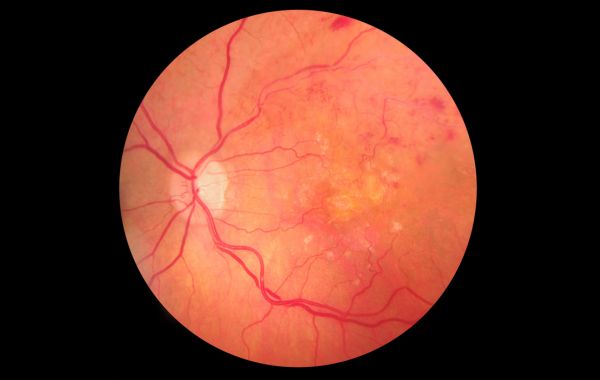
Retinal vasculitis is an ocular condition that involves the inflammation of the blood vessels of the retina. In essence, the retina is a tissue layer that is found on the back of the eye. The retina is the tissue layer where visual impulses are relayed to the brain; in other words, it is the tissue layer that helps you see things clearly. Thus, retinal vasculitis implies inflammation in the blood vessels of the retina causing leakage of fluids and blocking of blood flow to the retina.
It is extremely necessary to understand the nature of retinal vasculitis, considering the fact that it may cause serious damage to your vision in case it is not detected and treated early enough. While some patients will suffer from blurred vision and floaters, others will not show any signs of the disease until its later stages. Retinal vasculitis is associated with different infections and inflammatory diseases of the body.
What Is Retinal Vasculitis?
Retinal vasculitis is an inflammatory condition characterized by inflammation of the retinal blood vessels. Inflammation of the blood vessels occurs as a result of tiny arteries, veins, and capillaries which transport blood to the retina. They play a very significant role in ensuring the well-being of the retina.
Inflammation leads to leakage of the blood and fluids in the surrounding tissues. At times, the inflammation can lead to narrowing and obstruction of the inflamed blood vessels hence leading to lack of oxygen in some parts of the retina.
This condition can affect one eye or both, depending on the person due to varying amounts of inflammation, different locations of blood vessel inflammation, and existence of other eye disorders.
Early diagnosis helps to identify the root cause of the inflammation and decide on the right mode of treatment. Inability to control the inflammation will lead to retinal damage.
What Causes Retinal Vasculitis?
There is no single cause for retinal vasculitis. Retinal vasculitis can be caused by infection, autoimmune response, or inflammation of unknown origin. Discovering the cause of the disease is a vital process involved in the treatment.
Autoimmune and Inflammatory Disorders
Autoimmune disorders are those in which the immune system attacks the body’s healthy cells. Some of these diseases lead to inflammation of the blood vessels in the eyes. lupus, and sarcoidosis may be linked to retinal vasculitis. In some instances, the eye disorder may actually be a sign of an inflammatory disease.
Treatment of these disorders requires the attention of an eye specialist as well as other doctors.
Infection
There are cases where infections from bacteria, viruses, and parasites result in inflammation of the retinal blood vessels. The infections may include TB, syphilis, and viruses.
The reason why the diagnosis is crucial is that some infections like retinal vasculitis require antimicrobial therapy. Immunosuppressive medications will exacerbate some infections, hence the need for a proper assessment.
Idiopathic Retinal Vasculitis
There are cases where the cause of the disease cannot be determined even after examination and conducting tests. The case of the unknown cause of retinal vasculitis is termed idiopathic retinal vasculitis.
The inflammation still requires management even though there is no known cause. Treatment is influenced by the extent of the disease and the eye examination results.
What Are the Symptoms of Retinal Vasculitis?
The signs and symptoms of retinal vasculitis can vary based on the blood vessels involved and the extent of the condition. Symptoms experienced by patients can vary from having visual disturbances to having inflammation that can only be observed during an eye exam.
Some of the common signs and symptoms of retinal vasculitis are as follows.
Blurring of Vision
In case of inflammation within the eyes, the body usually retains water within the retina, particularly in the macula area, which is responsible for the details. The inflammation in this area may cause challenges when reading, identifying people and seeing objects. Blurring of vision can come gradually or rapidly.
Floaters & Dark Floaters
Floaters are small floating specks, dots, or even threads appearing in one’s field of vision. Floaters can be caused by inflammation, which may irritate the gel substance located in the eye, or by the bleeding that happens due to the injury of the retina vessels in the eye.
Sudden onset of floaters with flashes of lights or shadows over vision calls for immediate eye examination.
Flashes of Lights
Sometimes, people experience occasional flashes or flickering of vision. Flashes may happen due to various problems with the retina but shouldn’t always be assumed to be associated with retinal vasculitis.
Sudden onset of flashes is an indication for immediate medical consultation.
Dark Spots or Loss of Vision
The inflammation of blood vessels of retina might cause insufficiency of oxygen in some areas of the retina. The result of this process can be the development of dark spots or even blindness.
All instances of loss of vision should be treated on an emergency basis.
How Can Retinal Vasculitis Affect Your Vision?
Retina requires constant nourishment through its blood vessels. Inflammation of the retina affects nourishment of the tissue and structure of the tissue that is involved in the process of seeing.
The effect on eyesight depends on the place of the inflammation, its duration and possible complications.
Macular Edema and Blurred Central Vision
Macula is responsible for your ability to see details while reading, driving and viewing faces of people around. Retina vasculitis results in excess fluid retention in the macula, which is known as macular edema.
Macula swelling leads to visual impairment, such as blurriness of central vision, distorted straight lines, and problems seeing nearby objects.
Constricted or Obstructed Blood Vessels and Retinal Ischemia
Inflammation may constrict or obstruct blood vessels within the retina, leading to retinal ischemia in case the retina does not get sufficient oxygen.
Continuous deprivation of blood flow may harm retinal cells. Also, in certain instances, retinal vasculitis can lead to development of new blood vessels that have a tendency of causing bleeding.
Retinal Complications and Blindness
Untreated inflammation may bring about serious complications such as bleeding within the eye, formation of abnormal blood vessels, and retinal detachment. Such complications pose risk to one’s vision and may necessitate further treatment.
However, not everyone who has retinal vasculitis experiences vision loss. It all depends on the nature of the underlying causes as well as the treatment of the condition.
How Is Retinal Vasculitis Diagnosed?
The diagnosis of retinal vasculitis entails a thorough examination of the eyes as well as further tests to rule out retinal vasculitis, check if there is any damage to the retina and find its causes.
Comprehensive Retinal Examination
Sometimes an eye specialist may administer dilating eye drops to dilate the pupils and examine the retina. This will allow him/her to detect any signs of inflammation, leaky blood vessels, bleeding, and other changes in the retina.
Also, it will be established whether the macula has been affected.
Fluorescein Angiography
Fluorescein angiography is a form of imaging study that allows the doctor to assess the circulation of blood through retinal blood vessels. The dye is injected into the patient’s bloodstream and photographs are taken when the dye flows through the blood vessels in the eye.
The findings reveal leaky blood vessels, reduced blood flow, among other signs of inflammation of the retina.
Optical Coherence Tomography (OCT)
OCT is an imaging method which uses light waves to generate cross-sectional images of the retina. OCT can be used to diagnose swelling of the macula and retinal layer abnormalities.
On the basis of examination findings, the doctor can order blood tests or other diagnostic procedures to determine an inflammatory or systemic disease causing retinal problems.
What Are the Treatment Options for Retinal Vasculitis?
The treatment of retinal vasculitis depends on the reason, level, and impact of the disease on the vision. There are no universal treatment methods applicable to all patients. The choice of the method will depend on the results of examination and the patient’s underlying diseases.
Anti-inflammatory Medications
In case of non-infective disease, anti-inflammatory medications, such as corticosteroids, are prescribed for the reduction of inflammation. Depending on the case, they may be applied directly into the eyes, around the eyes, or through pills.
Some patients who experience constant or recurrent inflammation may require the application of other medications that regulate the activity of the immune system.
Treatment for Infection
The therapy will depend on the organism causing the infection and can be either antibiotics, antiviral drugs, or some other kind of antimicrobial therapy.
It is very important to identify the cause of inflammation properly before using immunosuppressive drugs.
Treatment for Retinal Conditions
There can be certain complications that require further treatment, such as macular edema, growth of abnormal vessels or even hemorrhaging into the eye.
Laser treatment or surgery can be used depending on the condition of the patient. Regular checks will help the doctor see how the treatment goes and detect new problems.
Retinal Vasculitis: Symptoms, Causes, and Treatment at a Glance
| Aspect | What It Means |
|---|---|
| Main problem | Inflammation of the retina's blood vessels |
| Possible causes | Infections, autoimmune diseases, or an unknown cause |
| Common symptoms | Blurred vision, floaters, flashes, or dark spots |
| Possible complications | Macular edema, blocked vessels, bleeding, or retinal damage |
| Diagnostic tests | Retinal examination, fluorescein angiography, OCT, and selected laboratory tests |
| Treatment approach | Depends on the cause and may include anti-inflammatory or antimicrobial medicines |
| Long-term care | Regular monitoring to assess inflammation and protect vision |
Can Retinal Vasculitis Be Prevented?
However, there is no definite method of preventing all cases of retinal vasculitis, especially if the problem results from any autoimmune diseases or any unspecified causes. Nevertheless, proper control of health problems and going to recommended eye appointments may help in reducing the risks of complications.
Those who have the disease are supposed to adhere to their prescribed medication and report any new vision changes. Keeping up with the doctor’s appointments is necessary regardless of how good one’s vision seems since retinal inflammation might be present without visible signs of its occurrence.
Living a healthy life promotes general health, but dieting and exercise are not a replacement for medical therapy.
Conclusion
Retinal Vasculitis is the term used for the medical condition where there can be inflammation of the blood vessels in the retina. Retinal vasculitis has several symptoms and, without adequate treatment, the condition will result in swelling of the macula, blockage of blood vessels, damage to the retina and eventually blindness.
The treatment method will depend on what caused the condition. Monitoring of your eyesight state is important since the condition is recurrent and progressive.
If you experience retinal inflammation or have any problems with your eyesight, then you can learn more about retina specialists at Utah Retina. The experienced eye doctor will help you detect the symptoms and select the best diagnosis and treatment option for you.